Smoke odor lingering after fire
We neutralize the source with hydroxyl generators, thermal fogging solution, and an encapsulant on the rafters. Most homes pass the sniff test within a week, and the treatment does not fade when the weather warms up.
Attic Fire Restoration in LAKE WORTH BEACH, Florida means pulling out the burned insulation, scrubbing the rafters, and rebuilding the roof deck so the house stops smelling like a campfire. We handle attic fire damage repair LAKE WORTH BEACH homeowners call about after an electrical short or a lightning strike, and we start the same day you call.
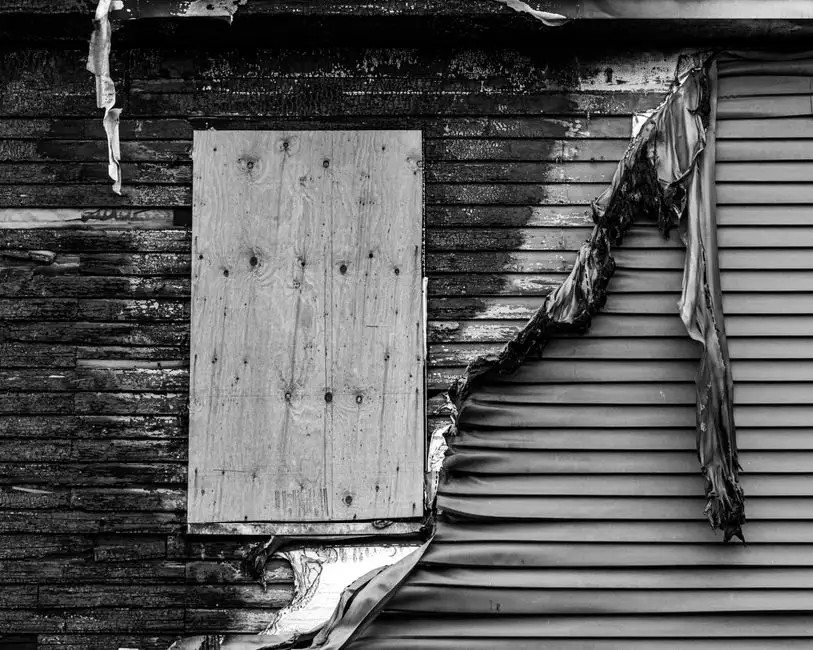
Attic Fire Restoration in LAKE WORTH BEACH, Florida is the trade of removing fire-damaged insulation, lumber, and roofing material from a confined roof space, then cleaning the framing and rebuilding the assembly so the house is safe and the smell is gone. Attics are the worst place in a house for a fire to start. Heat has nowhere to vent, so a small electrical arc turns into a 900-degree flashover in minutes, and the smoke soaks into plywood and blown-in insulation like a sponge.
Most of the calls we run in this town come from older bungalows near Downtown Lake Worth Beach and Parrot Cove, where knob-and-tube or 1960s wiring finally gives out. If you are searching for attic fire cleanup near me LAKE WORTH BEACH after a fire, the first 48 hours matter: soot is acidic, and it starts etching metal ductwork and roof truss plates the longer it sits. We get a thermal imaging camera into the attic the same day so we can see what is hot, what is wet, and what has to come out.
Our standard attic fire scope covers the full cycle from emergency response through final rebuild. If your policy or budget calls for a narrower scope, we will write it that way. What follows is what a typical full-service job covers.
Roof tarp-over, board-up, and utility shut-off the same day, usually within 60 to 90 minutes of your call. This stops water intrusion and keeps the damage from spreading while the scope is written.
A thermal imaging camera and moisture meter map every affected bay. We photograph, measure char depth, and log readings so the scope is based on data instead of guesswork.
Negative air machines and plastic containment keep soot out of the living space while we remove burned insulation, charred plywood, and compromised framing. Debris is bagged and hauled off.
HEPA vacuums and chemical sponges pull the fine soot off the rafters and truss plates. We follow with a sealant and encapsulant so the smoke molecules stop off-gassing into the house.
Air movers dry the firefighting water out of the deck, and hydroxyl generators plus charcoal odor absorbers run 48 to 72 hours. We do not close the attic until moisture reads under 16 percent.
New insulation, sheathing, drywall, primer, and paint go back in, and the roof is patched to match. All work is done to Florida building code and documented for your records.
We answer 24/7 and roll a crew to your address, usually within 60 to 90 minutes in the Lake Worth Beach area. First job is stopping water intrusion: roof tarp-over, board-up if needed, and shutting off the circuit that fed the fire. You get a verbal scope and a start time before we leave.
A thermal imaging camera and moisture meter map the heat and water damage bay by bay. We photograph everything, measure the char depth on the framing, and write the line-item scope your adjuster needs. This usually takes two to three hours on a typical 1,200-square-foot attic.
We set negative air machines and plastic containment so soot does not migrate into the living space. Then the pry bars and drywall saws come out: burned insulation, charred plywood, and compromised truss sections come down and get bagged. Most tear-outs run one to three days.
HEPA vacuums pull the fine soot off the rafters, then we wipe with a chemical sponge and apply a sealant. Hydroxyl generators and charcoal odor absorbers run for 48 to 72 hours while air movers dry the wet deck. We do not close the attic until moisture reads under 16 percent.
New insulation, sheathing, drywall, primer, and paint go back in, and the roof is patched to match. We walk the attic with you, meter the framing one more time, and hand over the photo log and warranty paperwork. Most full rebuilds finish in seven to fourteen days.
Purpose-built equipment, used by trained technicians — so the job is done accurately the first time.
Finds hot spots and hidden moisture behind sheathing and insulation without tearing anything open. We use it on every job before the scope is written.
Reads the moisture content in the roof deck and framing. We do not close an attic until every bay reads under 16 percent.
Pulls fine soot and smoke particles out of the air and off surfaces. Paired with negative air machines, it keeps soot from migrating into the living space.
Neutralizes smoke molecules at the source. Hydroxyl generators run safely in occupied spaces; ozone is used only in unoccupied areas with proper clearance.
Dry the firefighting water out of the roof assembly fast. We size the air mover count to the cubic footage of the attic, not to a rule of thumb.
Controlled tear-out of burned drywall, sheathing, and insulation. The right hand tools mean less collateral damage to framing that can be saved.
Protects our technicians from soot, silica dust, and the mold that follows water damage. Every crew member is fitted and trained.
An electrical fault in a 1958 bungalow lit up four truss bays. The insulation was burned through, the sheathing was charred, and the whole house smelled like smoke. The homeowner had been told it might be a total roof replacement.
We tore out the burned material, cleaned and sealed the framing, dried the deck to 14 percent moisture, and sistered in new lumber. New sheathing and shingles went on, and the HVAC was cleaned. Fourteen days from call to final walk.
A summer storm sent a strike through the roof of a CBS home, charring three trusses and scorching the sheathing. The homeowner was worried about a full roof replacement and a six-month insurance fight.
We sistered in new lumber, replaced the sheathing, and matched the shingles so the patch is invisible from the street. The HVAC system was cleaned, and the smell was gone in four days. The claim closed in 22 days.
A kitchen fire in a ground-floor unit sent smoke up through the range hood into a shared attic. Three neighboring units started reporting smoke smell, and the landlord was facing three separate complaints.
We contained the affected unit, cleaned the shared attic with HEPA vacuums and hydroxyl generators, and treated the ductwork. All three neighboring units cleared the sniff test within 72 hours, and the landlord had one documentation packet for all the claims.
An attic fire leaves behind more than char. Here are the problems we see most often and what happens if they are left alone.
Ask a pro →We neutralize the source with hydroxyl generators, thermal fogging solution, and an encapsulant on the rafters. Most homes pass the sniff test within a week, and the treatment does not fade when the weather warms up.
We inspect and clean the ductwork and air handler as part of the scope, then run air scrubbers with HEPA filters to clear the remaining particles. This is the step most companies skip, and it is the one that keeps the smell from returning.
We meter every truss bay and dry the deck to under 16 percent before closing anything up. Our IICRC WRT and ASD training is what makes that drying schedule reliable instead of a guess.
We measure char depth, cut out compromised sections, and sister in new lumber sized to Florida code. The roof keeps its load rating, and the repair is documented for your records and your insurer.
Most attic fire restoration jobs in this area run $4,500 to $28,000 in 2026, with the typical single-family attic landing around $9,000 to $14,000. Cost depends on how many truss bays burned, whether the roof deck has to be replaced, and how much insulation and drywall comes out. Insurance usually covers the bulk of it. We give you a written scope before any work starts.
Yes, in almost every case. Attic fires look catastrophic because the smoke spreads through the whole roof space, but the actual char is usually limited to a few bays. We cut out the burned framing and sheathing, sister in new lumber, and rebuild to Florida building code. Total loss is rare unless the fire burned through the roof deck and into the living space below.
Plan on seven to fourteen days for a typical attic fire, start to finish. Tear-out and cleaning take two to four days, drying and deodorization run 48 to 72 hours, and the rebuild adds another three to seven days. Larger jobs with roof replacement or structural framing repair can stretch to three weeks. We give you a day-by-day schedule at the start.
Yes, standard Florida homeowners policies cover sudden attic fires, including the tear-out, cleaning, drying, and rebuild. What they do not cover is damage from long-term neglect, like a slow wiring fault you knew about. We document everything with photos and moisture readings so your adjuster has what they need, and we can talk to them directly to keep the claim moving.
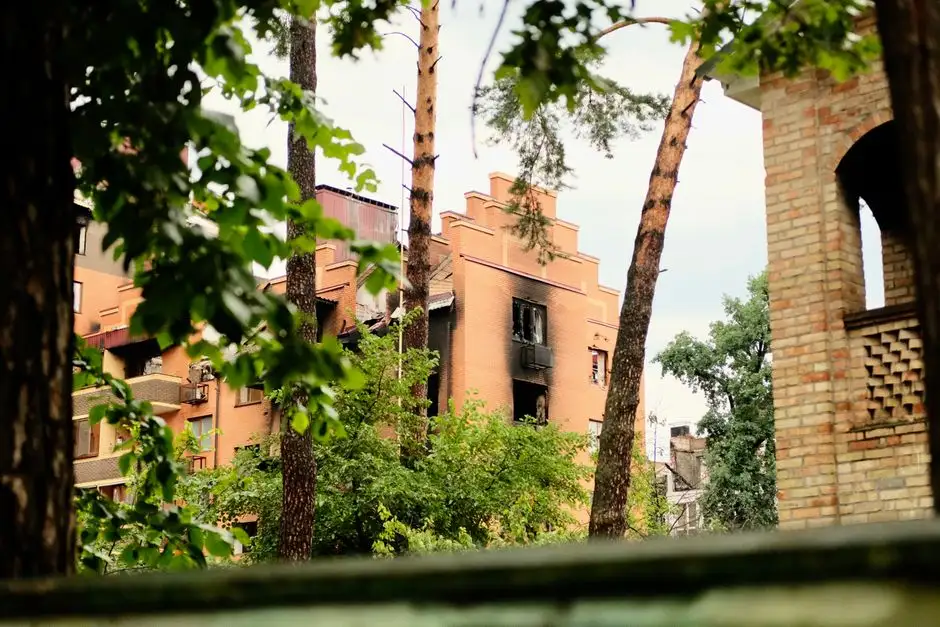 Smoke Damage RestorationAttic smoke damage restoration LAKE WORTH BEACH jobs almost always run alongside full-house smoke cleaning, because soot migrates down through HVAC returns and settles on every surface below the roof line.Explore →
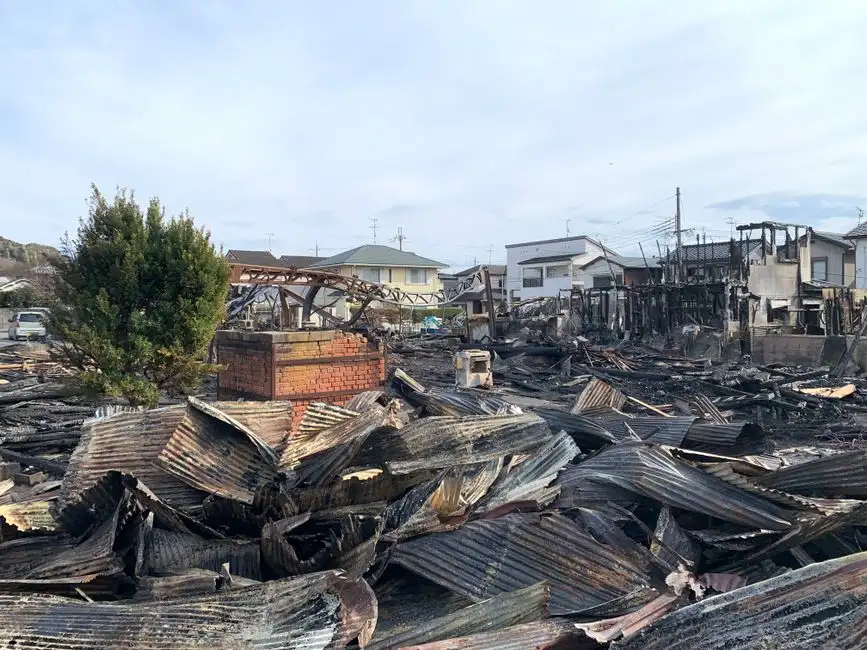 Fire Damage Clean UpOnce the attic is torn out, the living space below usually needs fire damage clean up too: walls wiped, ceilings sealed, and floors HEPA-vacuumed before the rebuild crew comes back.Explore →
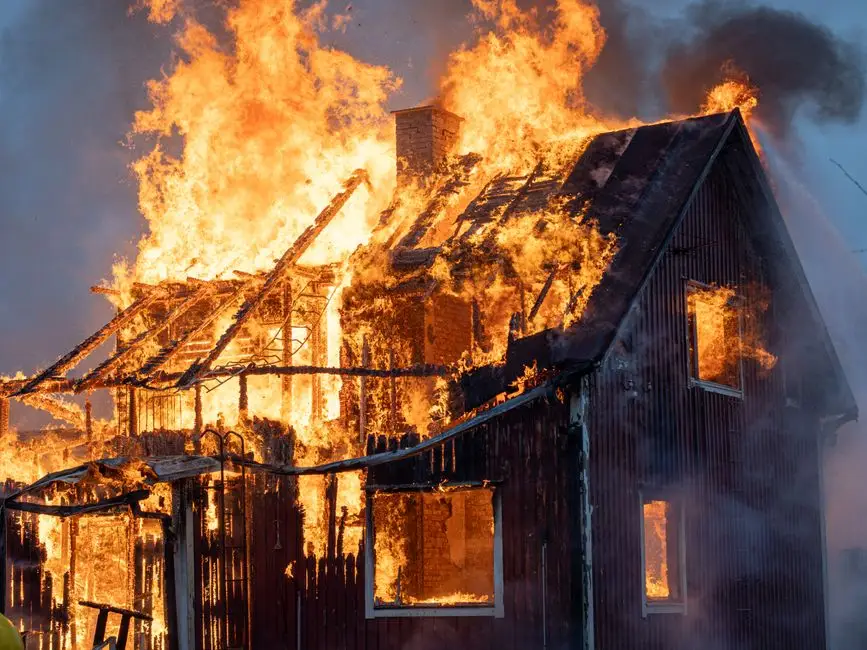 Emergency Fire Damage RestorationAttic fires rarely happen at a convenient hour. Our 24/7 emergency fire damage restoration crew handles the tarp-over, board-up, and water stop the same night so the damage does not grow while you wait.Explore →
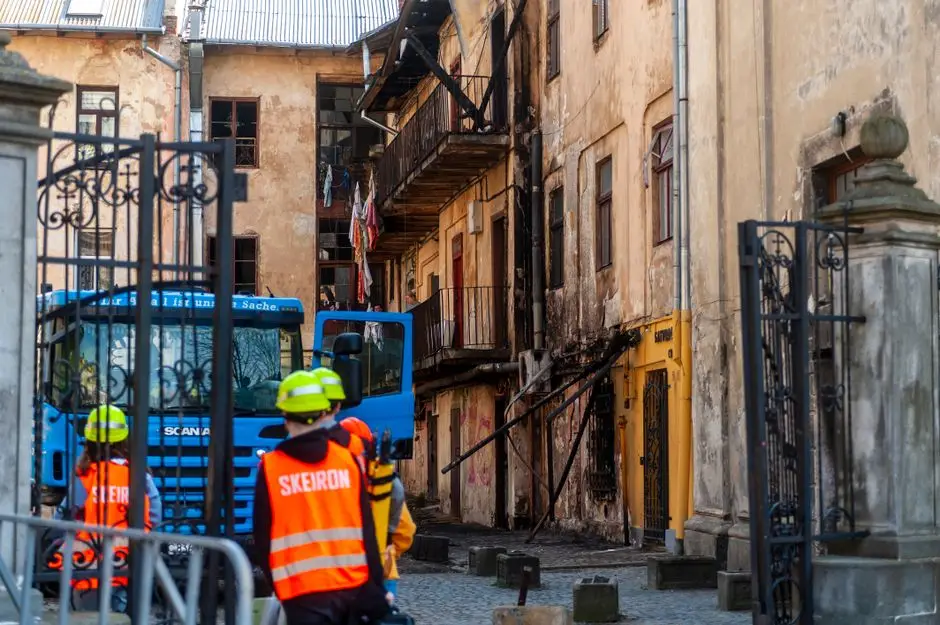 Structural Repair After FireCharred trusses and compromised roof sheathing need structural repair after fire, not just a patch. We sister in new lumber and rebuild the deck to Florida code so the roof holds its load rating.Explore →
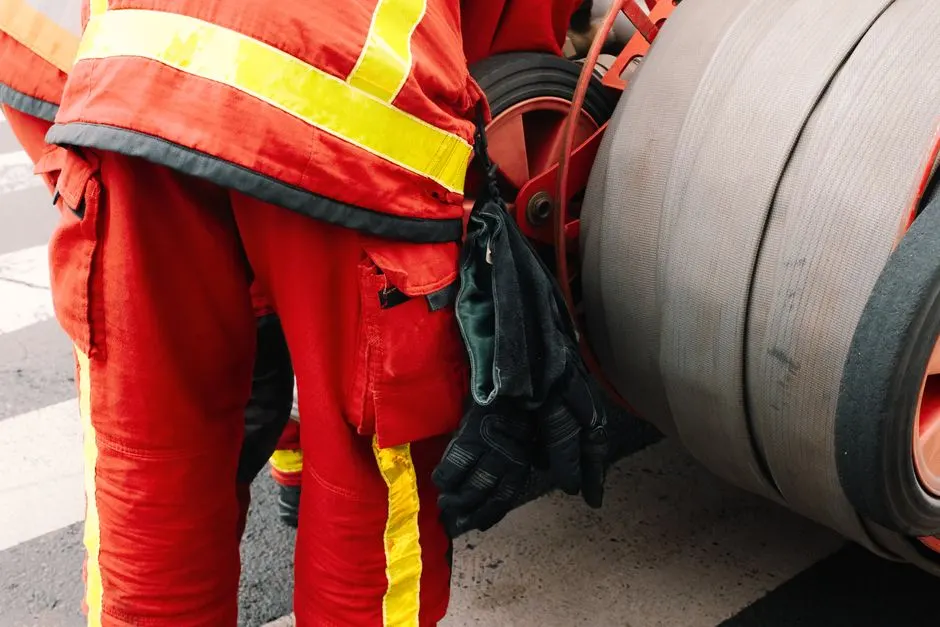 Odor Removal After FireOdor removal after fire is the step most homeowners care about most. Hydroxyl generators and thermal fogging neutralize the smoke molecules in the rafters instead of masking them.Explore →
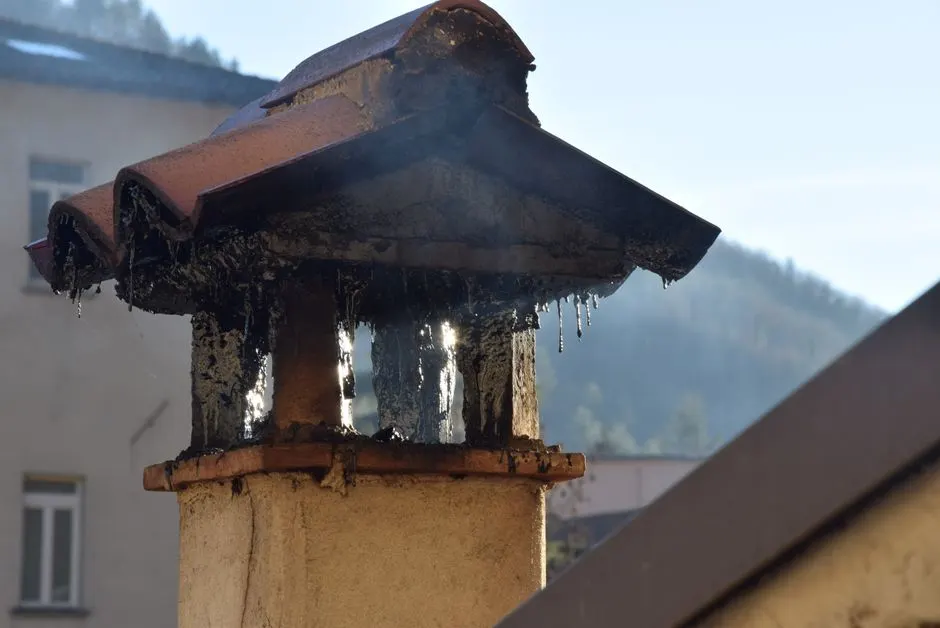 Soot RemovalSoot removal is delicate work in an attic. The fine, acidic residue etches metal truss plates and ductwork, so we use chemical sponges and HEPA vacuums rather than a shop vac that just blows it around.Explore →
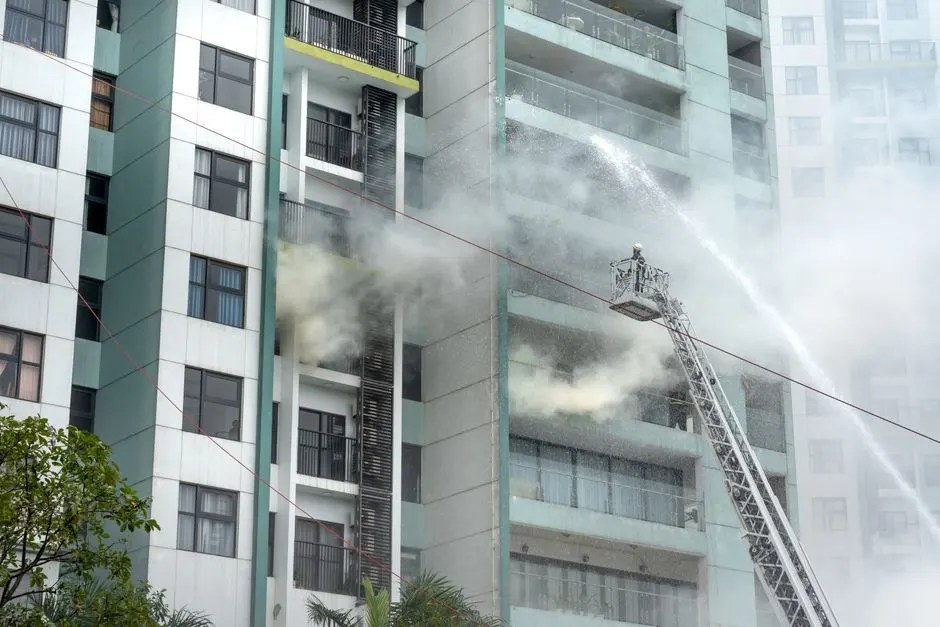 Smoke RemediationSmoke remediation goes beyond the attic. We treat the HVAC system, ductwork, and every room the return air touched, because hidden smoke damage in HVAC systems is what keeps the smell coming back.Explore →
 Fire and Flood RestorationAttic fires and water damage come as a pair. Fire and flood restoration handles both at once: drying the 200 to 400 gallons of firefighting water while the fire damage is torn out.Explore →
Every hour the soot sits, it etches a little deeper into the rafters and the smell sets a little harder. Call (833) 929-6186 and we will have a technician at your door, usually within 60 to 90 minutes. Written scope, honest pricing, one crew from tear-out to rebuild.
Call Now (833) 929-6186 →Call (833) 929-6186 any hour of the day. A live dispatcher answers, takes your address, and gives you a real ETA before you hang up. For non-emergency questions or to send photos of the damage, email info@firedamagerestorationlakeworthbeach.com and we will respond the same business day.