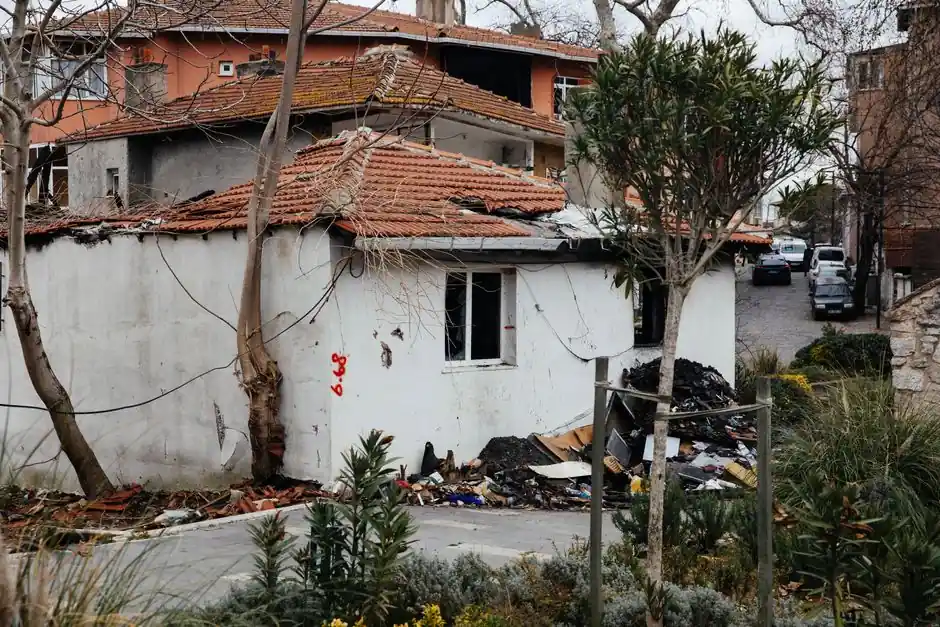
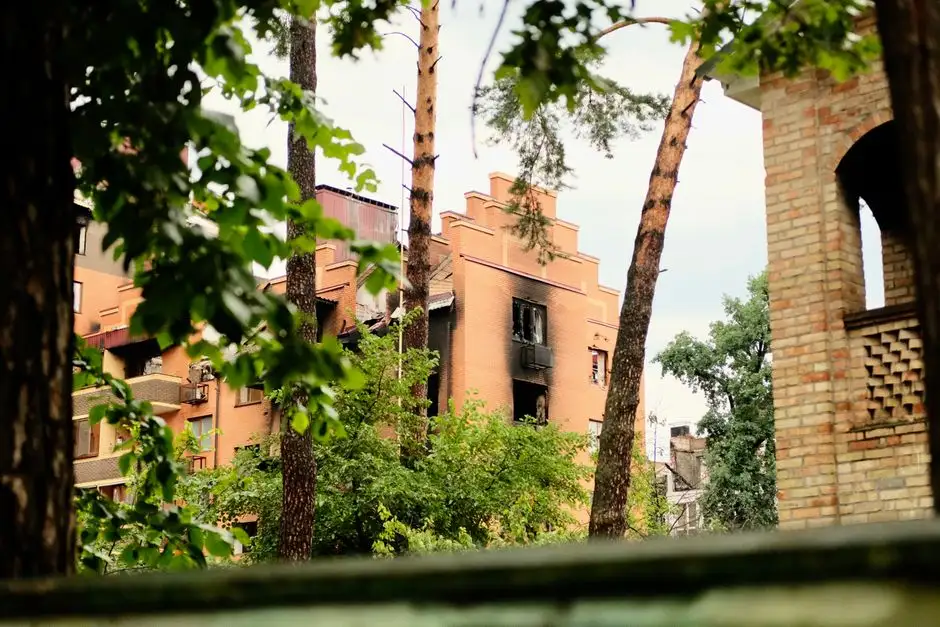
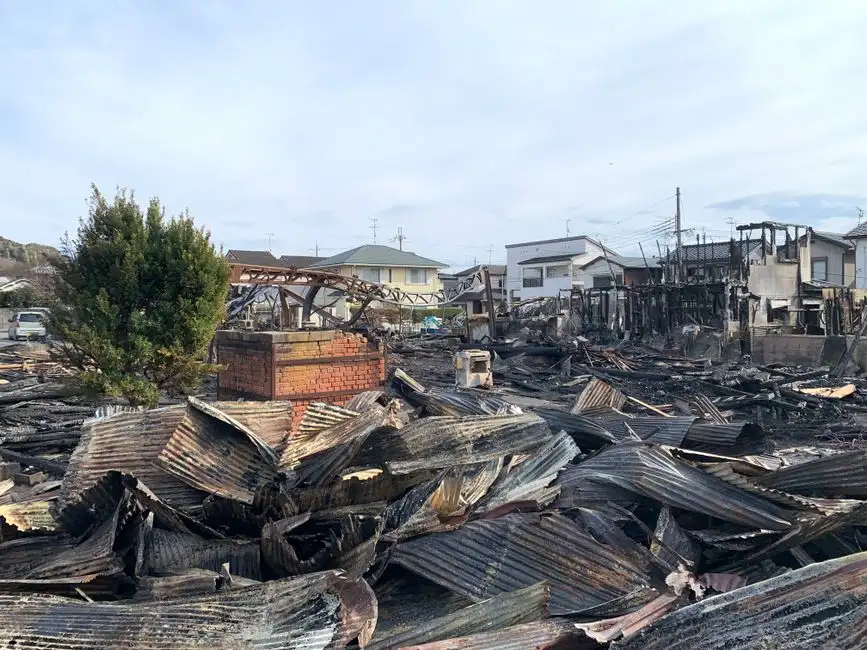
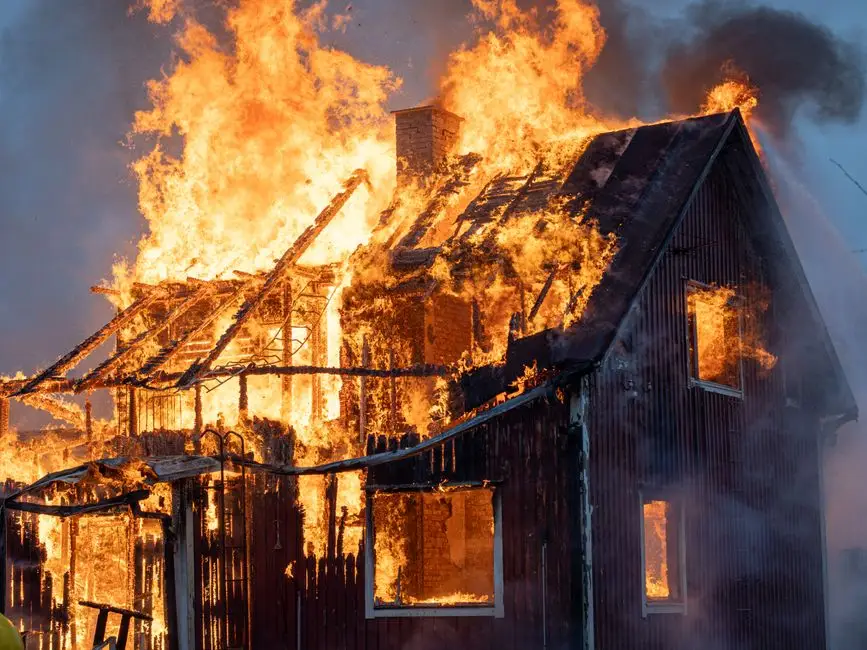
We pull smoke odor out of walls, ducts and furniture, not just the air.

Odor Removal After Fire in LAKE WORTH BEACH, Florida

Odor Removal After Fire in LAKE WORTH BEACH, Florida starts with finding where the smoke actually soaked in. Our technicians use thermal imaging cameras and moisture meters to trace soot and odor into drywall, insulation, attic framing and HVAC ducts, then treat each surface with the right method. If your house still smells like a campfire weeks after the flames were put out, we can clear it.

↗
Fast online booking

Request service today

Tell us what is happening. Our local team will confirm your visit shortly.

No spam. No obligation. Just practical help.
Thanks — we'll call shortly to confirm your visit.
Professional Odor Removal After Fire in LAKE WORTH BEACH
Careful work. Honest options.
About this service

What Odor Removal After Fire in LAKE WORTH BEACH, Florida Involves

Odor Removal After Fire in LAKE WORTH BEACH, Florida is a restoration service that locates and neutralizes smoke residue trapped inside building materials, HVAC systems and contents, rather than masking the smell with sprays. Smoke particles are microscopic and oily; they settle into drywall paper, insulation, lumber, plywood and fabric, and they keep off-gassing for months. We remove the source, seal what can be sealed, and run air scrubbers with HEPA filters until lab-grade air testing shows the odor load is gone.

In LAKE WORTH BEACH, the calls we get most are kitchen grease fires in older College Park bungalows, electrical fires in Parrot Cove condos, and attic fires in Tropical Ridge homes where 1950s wiring meets blown-in insulation. Salt air and year-round humidity make it worse: smoke residue grabs moisture and settles deeper into porous surfaces. If you are searching for fire odor removal LAKE WORTH BEACH homeowners can call the same day, our line is open 24/7 at (833) 929-6186.

  • ✓ Odor Gone at the Source
  • ✓ HVAC Smell Eliminated
  • ✓ Contents Saved, Not Tossed
  • ✓ Insurance-Ready Documentation
What's included

What Our Odor Removal After Fire Includes

Every job includes the full sequence from inspection through final air verification. Add-ons like duct cleaning or contents pack-out are priced separately and shown in the written scope before work begins, so you always know what is covered.

✓

Thermal Imaging Inspection

A room-by-room walkthrough with a thermal imaging camera and moisture meter to map where smoke residue and firefighting water have traveled. You get photos and a marked floor plan showing every odor source we found.

✓

Containment and Negative Air

Plastic containment and negative air machines keep soot and odor from spreading into clean rooms during tear-out and cleaning. This protects the parts of your home that were not affected.

✓

HEPA Vacuuming and Surface Cleaning

Walls, ceilings, framing and contents are HEPA-vacuumed and wiped with restoration-grade cleaners. This is the physical removal step that makes every later treatment work better.

✓

Thermal Fogging and Ozone or Hydroxyl Treatment

Thermal fogging solution reaches cavities a cloth cannot, followed by ozone generators in unoccupied spaces or hydroxyl generators in occupied homes. Cycles run 8 to 24 hours depending on odor load.

✓

Air Scrubbing and Final Verification

Air scrubbers with HEPA filters run continuously until the job passes a room-by-room smell check with the HVAC running. We do not remove equipment until that check passes.

How it works

How Our Smoke Odor Removal Process Works

01

Inspection and Mapping

A technician walks the house with a thermal imaging camera and moisture meter, checking wall cavities, attic framing, subfloor and ductwork. We mark odor sources on a floor plan and photograph each one. This inspection takes 45 to 90 minutes and tells you exactly what needs treatment before any work starts.

02

Containment and Debris Removal

We set negative air machines and plastic containment so soot and odor do not spread to clean rooms. Charred drywall, insulation and lumber come out with a drywall saw, pry bar and sledgehammer, bagged on site. Expect the tear-out phase to run one to two days on a typical kitchen or attic fire.

03

HEPA Cleaning and Surface Treatment

Walls, ceilings, framing and contents get HEPA-vacuumed, then wiped with restoration-grade cleaners. Porous framing is sealed with paint primer and encapsulant so residual odor cannot off-gas. This is the slow, detailed phase, and it is where most of the odor actually disappears.

04

Thermal Fogging and Ozone Treatment

We run thermal fogging solution through the structure to reach cavities a rag cannot, then use ozone generators or hydroxyl generators in unoccupied spaces for 8 to 24 hours per cycle. Occupied homes get hydroxyl treatment because it is safe to run with people and pets present.

05

Air Scrubbing and Final Verification

Air scrubbers with HEPA filters run continuously, and we swap filter media as they load up. Before we remove equipment, we do a room-by-room smell check with the HVAC running and confirm readings on the moisture meter. If any room still reads smoky, we treat it again before we call the job done.

Tools & methods

Tools and Methods We Use

Purpose-built equipment, used by trained technicians — so the job is done accurately the first time.

Thermal Imaging Camera

Finds temperature differences that reveal hidden smoke residue and moisture inside wall cavities, ceilings and attic framing before we open anything.

HEPA Vacuum and Air Scrubber

Captures fine smoke particles instead of pushing them around. Air scrubbers run continuously during the job and until the final smell check passes.

Ozone Generator and Hydroxyl Generator

Ozone units treat unoccupied spaces; hydroxyl generators run safely in occupied homes. Both break down odor molecules rather than masking them.

Negative Air Machine

Keeps contained work areas under negative pressure so soot and odor do not migrate into clean rooms during tear-out and cleaning.

Dri-Eaz and Phoenix Restoration Equipment

Commercial-grade air movers and dehumidifiers that dry firefighting water fast, which prevents mold from layering a second odor problem onto the first.

Moisture Meter

Reads moisture content in drywall, lumber and subfloor so we know when the structure is actually dry, not just dry to the touch.

Real results

Before and after.

Kitchen Fire in College Park Bungalow

Before

A grease fire scorched the cabinet backs and ceiling, and the whole house smelled like burnt oil for three weeks. The homeowner had wiped the walls twice with no improvement, and the AC was spreading the smell into bedrooms.

After

We removed the damaged cabinet backs, HEPA-vacuumed the wall cavities, degreased every surface and ran two ozone cycles. The air handler and ducts were cleaned, and the smell check passed on day four. The homeowner kept the original cabinets.

Attic Fire in Tropical Ridge

Before

An electrical fire charred roof sheathing and contaminated blown-in insulation across 900 square feet of attic. Smoke had migrated down into the second-floor bedrooms through ceiling penetrations, and the smell was strongest in the morning.

After

We removed all contaminated insulation, HEPA-vacuumed the deck and rafters, sealed the framing with encapsulant and thermal fogged the space. Air scrubbers ran for seven days with the attic hatch sealed. Bedroom odor readings cleared on day six.

Apartment Fire in South Palm Park

Before

A bedroom fire in one unit pushed smoke through shared walls into three neighboring apartments. Two tenants were ready to break their leases, and the landlord had one insurance claim covering four units.

After

We tested each unit, set containment in the corridors and treated all four with hydroxyl generators because residents stayed in place. Shared ductwork was cleaned building-wide. All four units passed the smell check within five days, and the landlord had one documentation package for the carrier.

Problems we solve

Smoke Odor Problems We Solve in Lake Worth Beach

Most of our calls come down to a handful of stubborn problems. Here is what they look like and how we handle them.

Ask a pro →
01

Smoke odor lingering after fire weeks later

We find the source with a thermal imaging camera, remove contaminated material, seal porous framing with encapsulant and run air scrubbers until the odor load drops. Most homes clear within 3 to 7 days of treatment.

↗
02

Hidden smoke damage in HVAC systems

We isolate the air handler, clean the plenum and ducts, replace filter media and run negative air machines during the work. This is the single most common fix for recurring odor complaints in Lake Worth Beach condos.

↗
03

Soot staining on walls and ceilings

We HEPA-vacuum first, then clean with chemical sponges and restoration-grade products, then apply paint primer and encapsulant. That sequence stops both the stain and the odor from returning.

↗
04

Mold growth after fire and water damage

We dry the structure with IICRC ASD methods while odor treatment runs, and we treat any mold found under Florida Mold-Related Services License scope. Drying and deodorizing on the same schedule saves days.

↗
Proof you can check

Licensed, Certified and Documented

✓
IICRC Fire and Smoke Restoration Technician (FSRT)Institute of Inspection, Cleaning and Restoration Certification
✓
IICRC Water Restoration Technician (WRT)Institute of Inspection, Cleaning and Restoration Certification
✓
IICRC Applied Structural Drying (ASD)Institute of Inspection, Cleaning and Restoration Certification
✓
OSHA 10 and OSHA 30Occupational Safety and Health Administration
✓
EPA Lead-Safe CertifiedU.S. Environmental Protection Agency
Good questions

Frequently Asked Questions

(833) 929-6186 →

Most residential jobs run $1,200 to $4,800 in 2026, depending on square footage, how many rooms are affected and whether ductwork needs cleaning. A single-room kitchen fire with light residue often lands near the low end; an attic fire with HVAC contamination pushes toward the top. We give you a written scope before work starts, and we document everything for your insurance claim.

Plan on 3 to 7 days for a typical house, with larger or heavily contaminated structures running 10 to 14 days. Tear-out and HEPA cleaning take the first two to three days, thermal fogging and ozone or hydroxyl cycles run 8 to 24 hours each, and air scrubbing continues until the final smell check passes. We do not remove equipment until the odor is verified gone with the HVAC running.

Yes, in most cases. Upholstery, wood furniture, mattresses and clothing respond well to ozone chamber treatment and hydroxyl generators, and we clean hard surfaces with restoration-grade products first. Items with charred structural frames or heavy soot saturation are usually not worth saving. We sort contents room by room and tell you honestly which pieces will come back clean and which will not.

Most homeowner policies cover smoke odor removal as part of the fire damage claim, including HEPA cleaning, thermal fogging, ozone treatment and duct cleaning. We provide photo documentation, moisture readings and a written scope formatted for adjusters. If your carrier pushes back on part of the scope, we will walk through the documentation with them directly so you are not stuck in the middle.

Ready when you are

Get Odor Removal After Fire in LAKE WORTH BEACH, Florida

One call gets a licensed, insured crew moving on your smoke odor problem, with a written scope before any work starts. We answer 24/7, including holidays, and we do not leave until the smell check passes with the HVAC running.

Call Now (833) 929-6186 →
Request an appointment

Call Our LAKE WORTH BEACH Crew

Call (833) 929-6186 any hour of the day. A live dispatcher answers, takes your address, and gives you a real ETA before you hang up. For non-emergency questions or to send photos of the damage, email info@firedamagerestorationlakeworthbeach.com and we will respond the same business day.

Request received — our team will be in touch shortly.
Tap to call(833) 929-6186