Smoke odor lingering after fire
We clean the HVAC system, run hydroxyl generators, and thermal fog the structure after drying. Charcoal absorbers go in closets and cabinets. If the smell is still there after treatment, we keep going until it isn't.
Fire and Flood Restoration in LAKE WORTH BEACH, Florida means one crew handles the burn damage and the water the hoses left behind. We extract standing water, pull soot-stained drywall, dry the framing, and clear smoke odor. Whether a kitchen fire soaked your cabinets or a burst supply line met a space heater, we're on-site fast, 24/7.
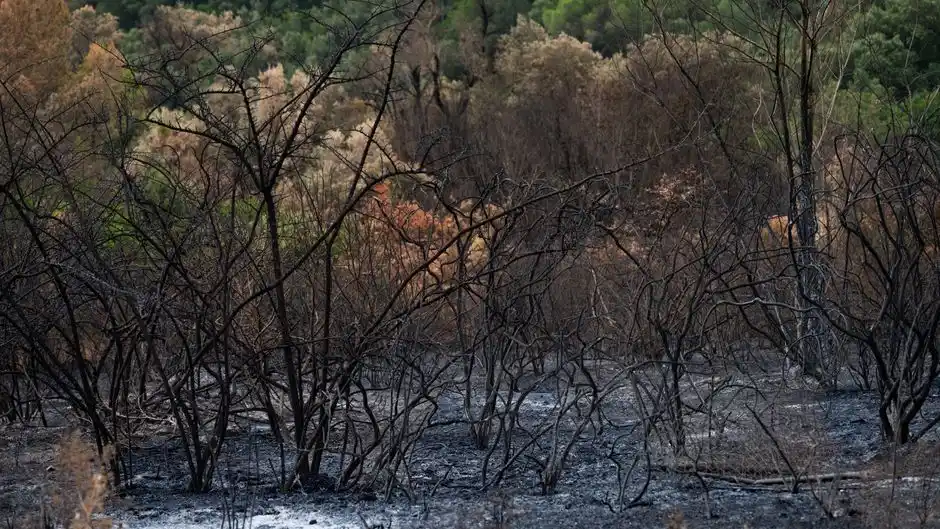
Fire and Flood Restoration in LAKE WORTH BEACH, Florida is the combined cleanup and rebuild of a property hit by both fire and water. The fire part covers soot removal, charred framing, smoke odor in the HVAC, and melted fixtures. The flood part covers the water firefighters pumped into the house, plus any water damage that was already there before the fire. We dry the structure to IICRC ASD standards, then repair what the flames and the hoses wrecked.
Most LAKE WORTH BEACH calls we take are kitchen fires in older bungalows, electrical fires in attics, and storm-driven flooding that hits a house already waiting on a fire claim. One crew, one scope, one insurance file beats juggling a fire contractor and a water mitigation company. If you're searching for fire and water damage cleanup near me LAKE WORTH BEACH, we run 24/7 and can usually be on-site the same day.
Every fire and flood restoration scope is different, but these are the core pieces we handle on a combined loss. Anything outside this list gets priced separately and put in writing before we start, so there are no surprises on the invoice.
We secure burned openings, broken windows, and damaged roof sections the same day we arrive. This keeps rain, animals, and people out of a structure that's already compromised, and it's often required before an adjuster will inspect.
Truck-mounted extraction, air movers, and dehumidifiers run until moisture readings hit dry standard. We check readings daily and give you the log, which is the documentation your insurance company wants to see before paying a drying invoice.
HEPA vacuuming, chemical-sponge wiping, and HVAC cleaning remove soot and residue from surfaces and ductwork. We treat this as a separate phase from drying because soot work on a wet surface just smears the residue deeper into the material.
Hydroxyl generators, thermal fogging, and charcoal absorbers clear smoke odor from porous materials and cavities. Treatment runs after drying is verified, and we do a final odor check with you before we call the job done.
We haul out charred material, replace insulation and drywall, seal and prime, and finish the repairs under our Florida General Contractor License. You get one point of contact from the first extraction through the final walkthrough.
You call, we ask what burned and what's wet, and we roll a crew with extraction and drying gear. Most LAKE WORTH BEACH addresses see us within a few hours of the call. First on-site job is making the property safe: shutting off power to damaged circuits, boarding openings, and stopping any active water.
Truck-mounted extractors pull standing water from floors and carpet, then we check wall cavities with a moisture meter and thermal imaging camera. Water trapped behind baseboards and under tile gets found now, not three weeks later when the floor buckles. This stage usually takes two to six hours on a typical house.
We HEPA-vacuum surfaces, wipe soot off walls and ceilings with dry chemical sponges, and pull charred drywall with a drywall saw and pry bar. HVAC registers and ducts get cleaned because smoke damage hides in the system and re-contaminates the house every time the air runs.
Air scrubbers, negative air machines, and dehumidifiers run 3 to 5 days on an average job. We check moisture readings daily and don't pull equipment until the framing and subfloor hit dry standard. This is the stage that prevents mold growth after fire and water damage, and it's the one cheap crews skip.
Once dry, we replace insulation, drywall, and trim, seal and prime with paint primer, and finish the rebuild. You get a final walkthrough with moisture readings and photos for your insurance file. Most full fire and flood restoration jobs close out in two to six weeks depending on permit and material lead times.
Purpose-built equipment, used by trained technicians — so the job is done accurately the first time.
Finds water hidden behind walls and under floors without cutting open the structure. It's how we catch the moisture that would otherwise turn into mold two weeks after the job closes.
Reads moisture content in framing, drywall, and subfloor. We log readings daily and don't pull drying equipment until the numbers hit dry standard.
Air movers and dehumidifiers that do the actual drying. We size the equipment count to the cubic footage of the affected space, not a one-size-fits-all package.
Filters airborne soot and keeps contaminated air from spreading into clean rooms. Negative pressure is standard on any job with charred material or mold risk.
Neutralizes smoke odor at the molecular level. Hydroxyl units run in occupied-adjacent spaces; ozone gets used only in sealed, unoccupied areas with proper clearance.
Captures fine soot and ash particles instead of pushing them around. Crews wear respirators and PPE suits whenever char, ash, or mold is present.
A grease fire charred the cabinets and ceiling, and the fire department left about two inches of water across the kitchen floor and into the hallway carpet. Soot coated every wall in the adjacent living room, and the smell was through the whole house.
We extracted the water, pulled wet carpet and pad, and dried the subfloor in three days. Charred drywall came out, cabinets were replaced, and the walls were sealed and primed. Final moisture readings were at dry standard across all rooms, and the odor check passed.
Lightning started a fire in the attic, and the burned roof deck let rain straight into the ceiling below. Two bedrooms had wet drywall, soaked insulation, and smoke residue on the walls. The house was uninhabitable that night.
We tarped the roof within hours, extracted the water, and removed the wet insulation. Drying equipment ran for four days until the ceiling joists hit dry standard. Insulation and drywall were replaced, the roof was rebuilt, and no mold was found at the final inspection.
An electrical fire in the upper unit burned one bedroom and sent hose water through the ceiling into the unit below. Both tenants were displaced, and the landlord had two claims to file with two different carriers.
We documented each unit separately with photos and moisture logs, dried the lower unit in four days, and rebuilt the upper unit over three weeks. Both claims were approved without a dispute, and both units were re-occupied within five weeks.
Most of the damage we see isn't from the flames. It's from the water, the soot, and the delay. Here are the four problems that come up most on LAKE WORTH BEACH jobs and how we handle each one.
Ask a pro →We clean the HVAC system, run hydroxyl generators, and thermal fog the structure after drying. Charcoal absorbers go in closets and cabinets. If the smell is still there after treatment, we keep going until it isn't.
We extract standing water, find hidden moisture with a thermal imaging camera and moisture meter, and run drying equipment until readings hit standard. Daily logs go to your adjuster.
We clean registers, ducts, and the air handler as part of the scope, and we don't sign off on odor until the system has run and been checked. This is the step most crews skip.
We photograph every affected room, log moisture daily, and write a scope your adjuster can process. We'll talk to your adjuster directly and answer their questions about the work.
Most residential fire and flood restoration jobs in this area run $3,500 to $18,000 in 2026, with whole-house losses going higher. Water extraction and drying alone typically lands between $1,200 and $4,500 depending on square footage and how many days the equipment runs. Soot removal, drywall replacement, and odor treatment add to that. We give you an upfront scope before work starts, and most of it is billed to your insurance.
Yes, in most cases. Framing that's charred but structurally sound can be dried, sealed, and rebuilt. Drywall, insulation, and carpet usually get replaced rather than restored. The deciding factor is how fast drying starts: a house dried within 48 hours usually avoids mold and saves more material. A house left wet for a week often needs a full tear-out to the studs.
Plan on two to six weeks for a typical house. Extraction and soot removal take the first one to three days, structural drying runs three to five days, and the rebuild takes the rest. Small losses like a single bedroom fire can close in ten days. Larger jobs with permit reviews or backordered materials stretch toward eight weeks. We give you a written timeline after the first walkthrough.
Standard homeowners policies in Florida typically cover fire damage and the water used to put the fire out, since that water is part of the fire loss. Flood from a storm surge or rising water needs a separate flood policy. We document the loss with photos, moisture logs, and a line-item scope so your adjuster can separate the two. We work directly with most major carriers and can talk to your adjuster for you.
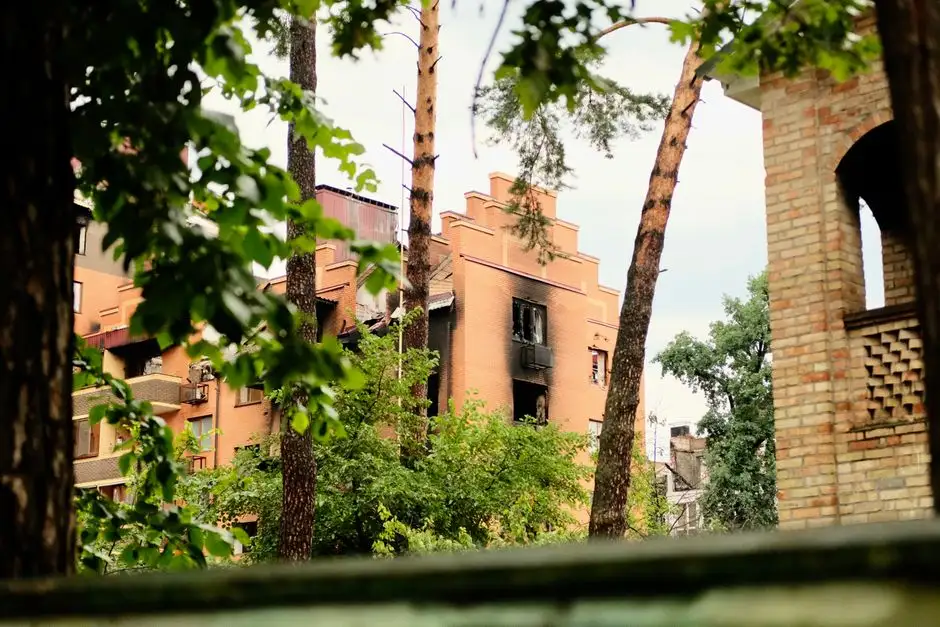 Smoke Damage RestorationSmoke travels farther than flames, into closets, attic spaces, and HVAC ducts. We pair smoke damage restoration with every fire and flood job in LAKE WORTH BEACH so odor and residue don't come back after the rebuild is finished.Explore →
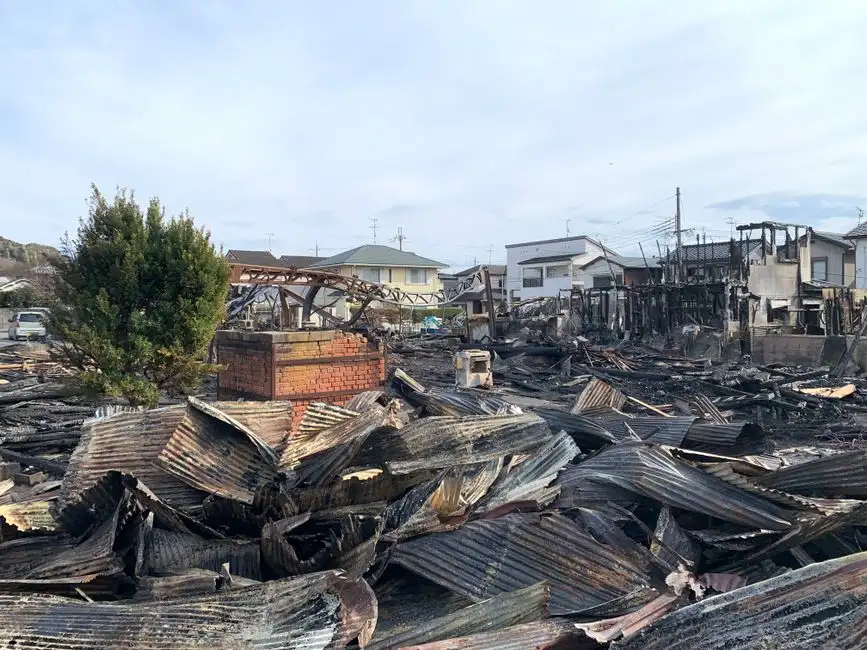 Fire Damage Clean UpFire damage clean up covers the debris, char, and ash removal that has to happen before drying or repair can start. On combined fire and water losses, we sequence cleanup first so wet debris doesn't sit and grow mold while the rest of the job waits.Explore →
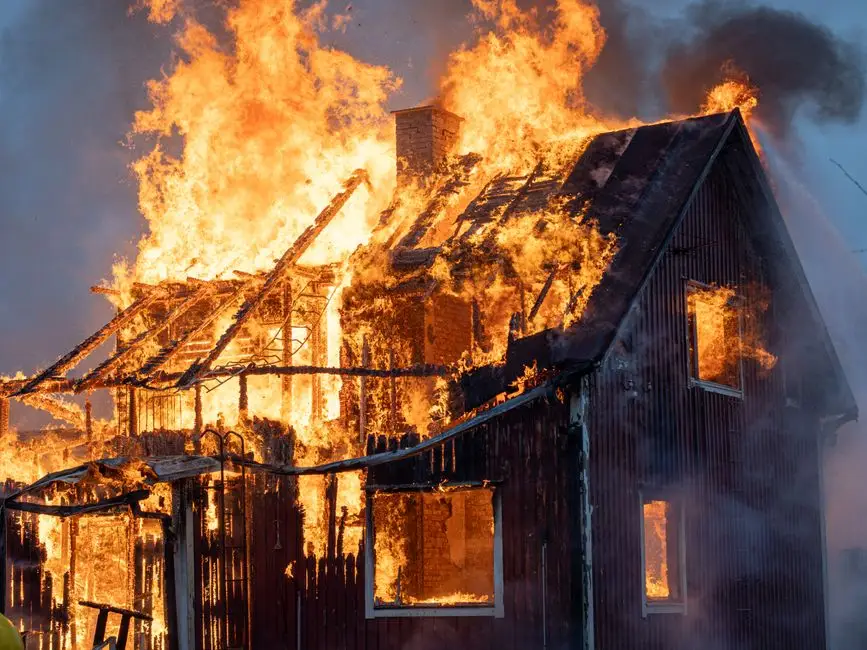 Emergency Fire Damage RestorationEmergency fire damage restoration is the first-hours response: board-up, power isolation, and stopping water. For LAKE WORTH BEACH properties hit overnight, this is the call that keeps rain and intruders out until the full scope is written.Explore →
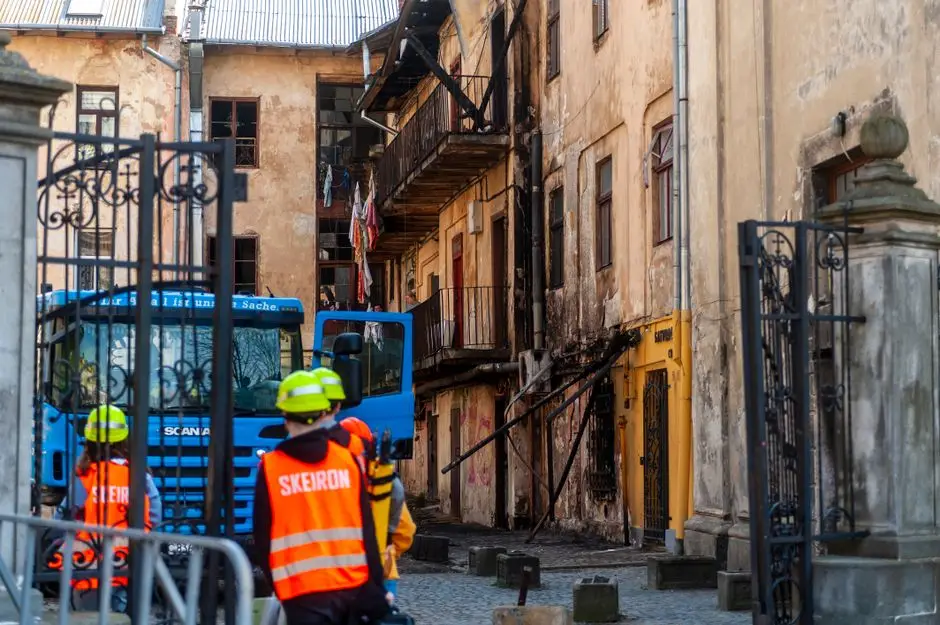 Structural Repair After FireStructural repair after fire rebuilds the framing, sheathing, and finishes the flames damaged. We handle it in-house after drying is verified, so you're not waiting on a separate framing contractor to schedule your job behind three others.Explore →
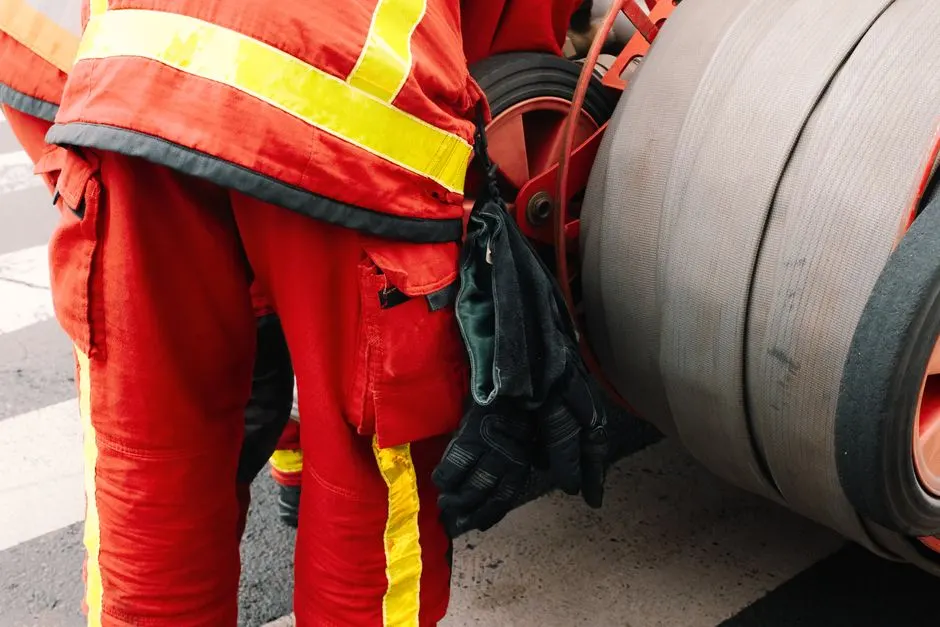 Odor Removal After FireOdor removal after fire uses hydroxyl generators, thermal fogging, and charcoal absorbers to clear smoke smell from porous materials. We run it after drying, never before, because fogging a wet structure traps the odor inside the walls.Explore →
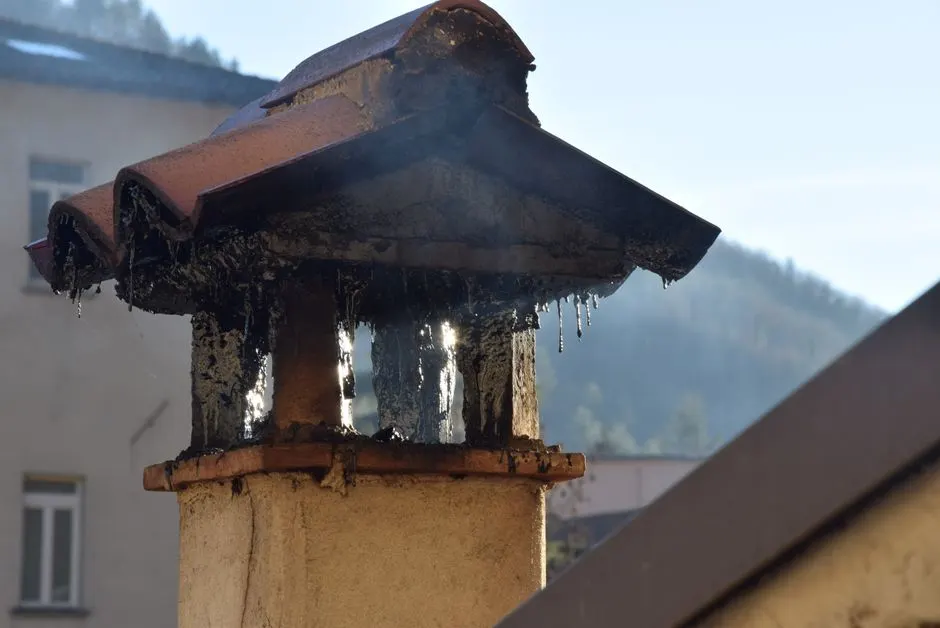 Soot RemovalSoot removal means HEPA vacuuming and chemical-sponge wiping of walls, ceilings, and contents. Soot is acidic and etches finishes within days, so on any fire and flood job in LAKE WORTH BEACH we start soot work as soon as the water is out.Explore →
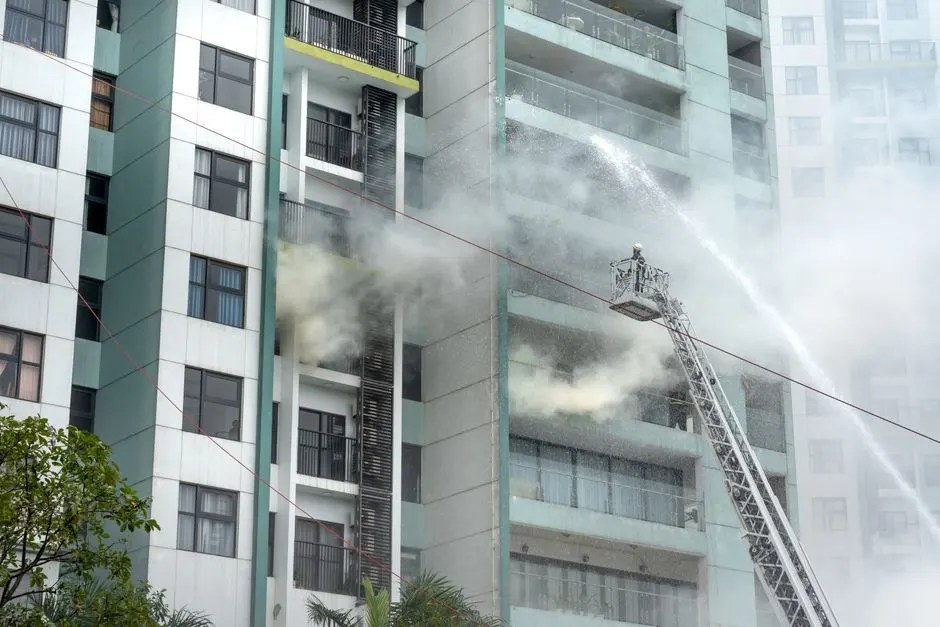 Smoke RemediationSmoke remediation targets the invisible residue left after visible soot is gone, including ductwork and wall cavities. We seal and encapsulate those surfaces so the smell doesn't return the first hot week after the job closes.Explore →
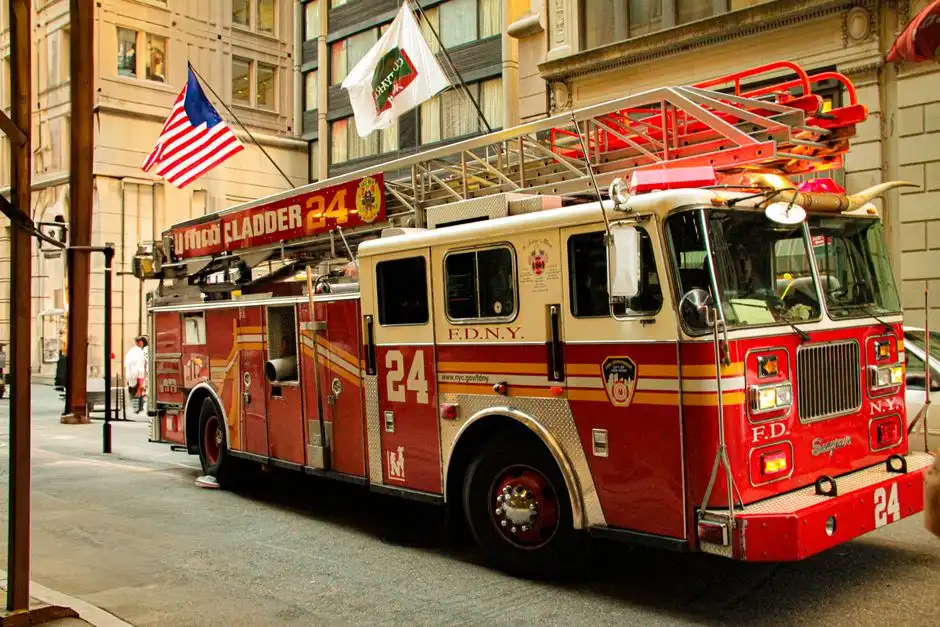 24 hour Fire Restoration24 hour fire restoration means we answer and dispatch around the clock. Water damage from firefighting compounds every hour it sits, so the sooner extraction starts, the less material ends up in a dumpster.Explore →
Water sitting in a burned house gets worse every hour. We answer 24/7, dispatch same-day, and document the whole loss for your insurance claim. Licensed, insured, and IICRC-certified. Call now and we'll get a crew moving.
Call Now (833) 929-6186 →Call (833) 929-6186 any hour of the day. A live dispatcher answers, takes your address, and gives you a real ETA before you hang up. For non-emergency questions or to send photos of the damage, email info@firedamagerestorationlakeworthbeach.com and we will respond the same business day.