Smoke odor lingering after fire
We treat the source with ozone and hydroxyl generators plus thermal fogging solution, then re-check after each cycle. Sealing comes after odor is verified gone, not before.
Fire Damage Clean Up in LAKE WORTH BEACH, Florida starts with a same-day assessment and a written scope before we touch a wall. Our crew handles soot removal, smoke odor, and the water left behind by firefighting, working with your insurance from the first call. We are a local fire cleanup company LAKE WORTH BEACH Florida homeowners and landlords call when the fire is out but the damage is not.
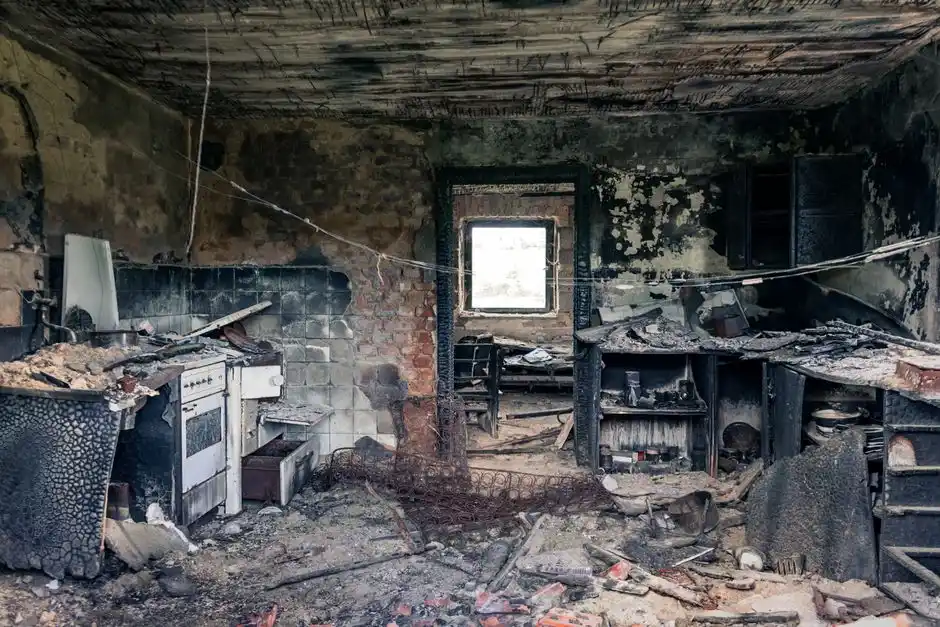
Fire Damage Clean Up in LAKE WORTH BEACH, Florida is the physical work of removing soot, char, smoke residue, and firefighting water from a structure so it can be repaired and lived in again. It is not a wipe-down. Technicians use a thermal imaging camera to find heat damage inside walls, a moisture meter to map water from hoses, and a HEPA vacuum to pull fine ash out of carpet and ductwork before it spreads. Every room gets checked, including the attic and HVAC system.
Local homes face a specific set of problems. Lake Worth Beach building stock runs from 1920s bungalows near Downtown to newer construction out west, and older wood framing holds smoke odor far longer than modern lumber. Salt air and summer humidity also slow drying, which is why post fire cleanup LAKE WORTH BEACH jobs need dehumidification running around the clock. If you are searching for fire damage clean up near me LAKE WORTH BEACH Florida, the crew you want is the one that treats odor and moisture as one problem, not two.
Every job starts with a written scope. Cleaning, drying, and odor treatment are included in the base service. Structural repair after fire, contents pack-out, and reconstruction are quoted separately so you can see exactly what each part costs before you approve it.
Broken windows and open roofs get sealed before anything else. We use plywood and tarps to keep weather and pests out, which matters in a coastal climate where afternoon storms roll in fast.
Truck-mounted extraction pulls standing water, then Dri-Eaz air movers and dehumidifiers run for 3 to 5 days. We log moisture meter readings daily and do not remove equipment until the structure reads dry.
HEPA vacuums and chemical sponges lift dry soot first, then wet cleaning follows on walls, ceilings, trim, and cabinets. HVAC registers and ductwork get cleaned so residue does not recirculate.
Ozone generators, hydroxyl generators, and thermal fogging solution reach cavities that wiping cannot. Treatment cycles run 8 to 24 hours and we re-check odor after each one before moving on.
Photos, moisture logs, and an itemized scope are assembled into a package your adjuster can work from. This is the part that keeps insurance claim disputes from slowing your rebuild down.
We arrive, secure the property, and walk every room with a thermal imaging camera and moisture meter. You get a written scope the same day that separates cleaning from structural repair. Most assessments take 60 to 90 minutes on a single-family home.
Before any cleaning, standing water comes out. Truck-mounted extraction pulls water from carpet and subfloor, then Dri-Eaz air movers and dehumidifiers run for 3 to 5 days. We check readings daily and do not pull equipment until the moisture meter shows dry standard.
Dry soot comes off first with HEPA vacuums and chemical sponges, then wet cleaning follows on walls, ceilings, and trim. Cabinets, appliances, and HVAC registers get cleaned or sealed. Technicians wear a respirator and PPE suit through this phase, which usually runs 2 to 4 days.
We seal the structure, then run an ozone generator or hydroxyl generator depending on occupancy. Thermal fogging solution reaches cavities that wiping cannot. Treatment cycles run 8 to 24 hours, and we re-check odor after each cycle before moving on.
You walk the property with the crew lead. We show moisture readings, photograph cleaned surfaces, and hand over the documentation package for your insurer. Any structural repair after fire gets scheduled from that same visit, so nothing stalls between cleaning and rebuild.
Purpose-built equipment, used by trained technicians — so the job is done accurately the first time.
Finds heat damage and hidden hot spots inside walls and ceilings before anyone opens a cavity. It also locates moisture from firefighting water that a visual check would miss.
Maps water content in drywall, framing, and subfloor. We log readings daily and use them to decide when drying equipment comes out.
Captures fine ash and smoke particles before they spread. Air scrubbers with HEPA filters run continuously during cleaning to keep the air breathable.
Neutralizes smoke odor inside porous materials. Ozone is used in unoccupied spaces; hydroxyl generators run where occupants or pets need to remain.
Dries firefighting water from carpet, subfloor, and wall cavities. A typical single-room job runs 8 to 12 units for 3 to 5 days.
Creates pressure differentials that keep soot and mold spores from spreading into unaffected rooms during cleaning and demolition.
Protects technicians from soot, ash, and airborne particles. Required on every job where char or mold is present.
A grease fire scorched the ceiling and coated every cabinet in sticky soot. The floor held standing water from the hose line, and the smell of burned grease reached the bedrooms.
Cabinets and ceiling were degreased and cleaned in 3 days. Water was extracted and the subfloor dried in 4. Odor treatment ran two cycles. The kitchen passed a moisture check at 11 percent and was ready for paint.
An attic fire burned through rafters and sent smoke through a 1940s bungalow. Insulation was charred, and the smell had settled into every room below.
Charred insulation and lumber were removed, framing was cleaned and sealed, and hydroxyl generators ran for 36 hours. Odor was verified gone, and the rebuild scope covered new insulation and roofing shingles.
A bedroom fire in one unit pushed smoke into two neighboring apartments and the shared hallway. The landlord had three tenants asking for answers and one insurance adjuster asking for photos.
All three units were scoped separately, HVAC was cleaned, and the hallway was treated. Documentation was delivered in 48 hours. Cleaning finished in 6 days and all three units were re-occupied within 4 weeks.
The fire is out, but the damage keeps moving. These are the problems we hear about most from Lake Worth Beach homeowners, landlords, and property managers.
Ask a pro →We treat the source with ozone and hydroxyl generators plus thermal fogging solution, then re-check after each cycle. Sealing comes after odor is verified gone, not before.
Dry soot comes off first with HEPA vacuums and chemical sponges, then wet cleaning follows. Doing it in that order protects finishes that look ruined but are not.
Extraction starts the same day, followed by Dri-Eaz air movers and dehumidifiers. We verify with a moisture meter before calling the structure dry.
We clean registers and ductwork and seal what cannot be cleaned. HVAC is checked before odor treatment so the system does not undo the work overnight.
Most residential fire damage clean up jobs in LAKE WORTH BEACH run $2,500 to $12,000 in 2026, with small kitchen fires at the low end and multi-room fires with structural damage at the high end. Cost depends on square footage affected, soot type, water volume, and whether contents need pack-out. Insurance usually covers the cleaning portion. We give you a written scope before work begins so there are no surprises.
Fire cleanup services in LAKE WORTH BEACH include water extraction, structural drying, soot and smoke residue removal, HVAC cleaning, odor treatment with ozone or hydroxyl generators, and contents cleaning or pack-out. We also document everything for your insurance claim. Structural repair after fire is quoted separately if framing, drywall, or roofing needs replacement. The written scope lists exactly what is covered.
A single-room fire typically takes 5 to 10 days from assessment to final walkthrough. Water extraction and drying alone run 3 to 5 days, soot and smoke cleaning adds 2 to 4 days, and odor treatment adds another 1 to 2 days. Larger jobs with structural damage or contents pack-out can run 3 to 6 weeks. We give you a schedule at the assessment and update it as readings come in.
No. Soot is acidic and carcinogenic, and dry wiping spreads it into porous surfaces. Firefighting water hides inside wall cavities where a moisture meter is the only way to find it, and mold can start within 48 to 72 hours. DIY cleanup also risks voiding your insurance claim. Call a professional fire cleanup company LAKE WORTH BEACH Florida property owners trust so the work and the paperwork both hold up.
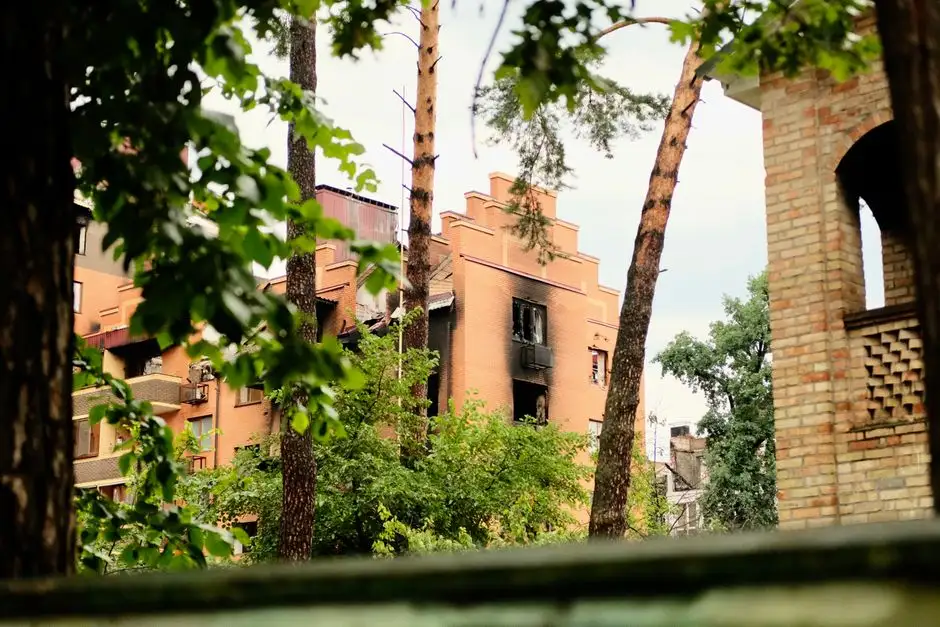 Smoke Damage RestorationSmoke travels farther than flames. We clean and seal cavities, ductwork, and contents so smoke damage in LAKE WORTH BEACH homes does not come back after the walls are painted.Explore →
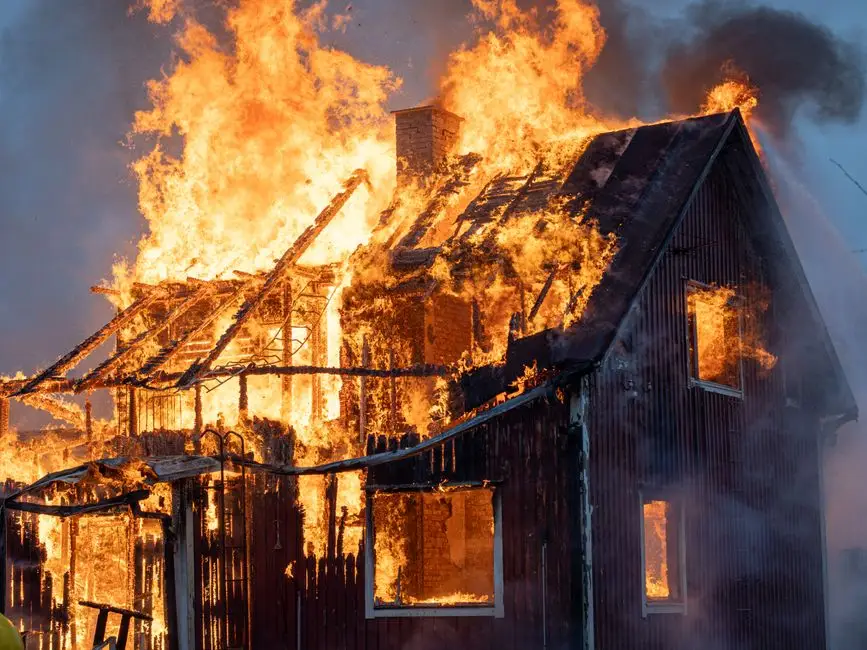 Emergency Fire Damage RestorationBoard-up, water extraction, and structural stabilization happen on the first visit. When you need emergency fire damage clean up near me LAKE WORTH BEACH, this is the call that gets equipment on site the same day.Explore →
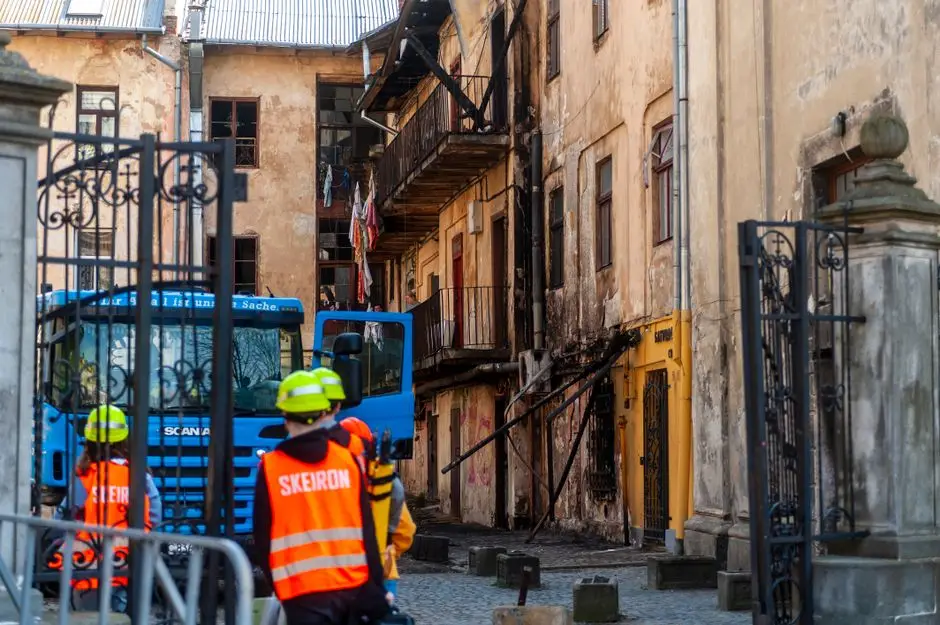 Structural Repair After FireFraming, drywall, roofing shingles, and paint primer go back on after cleaning is signed off. One crew handles the rebuild so your schedule does not stall between trades.Explore →
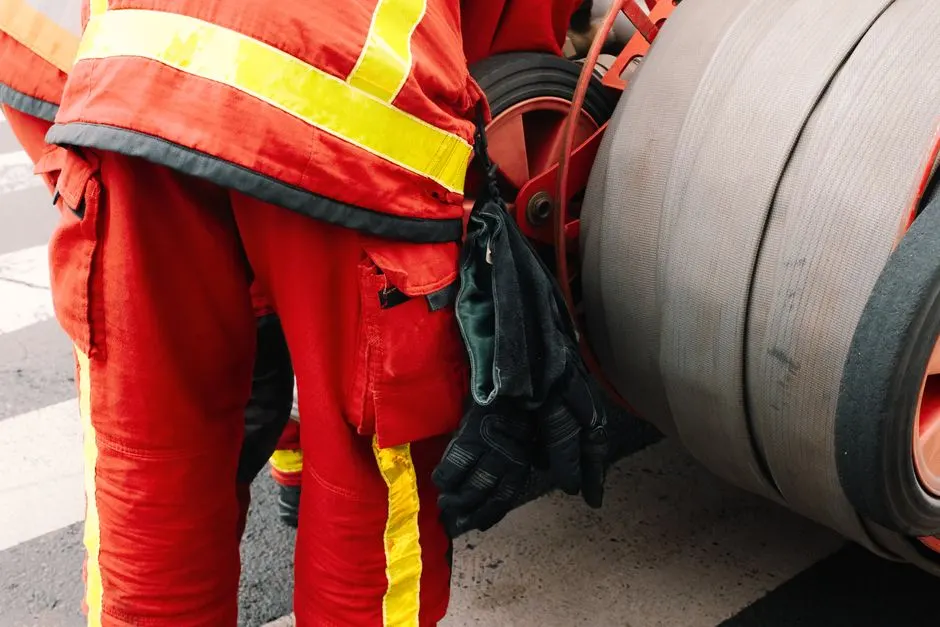 Odor Removal After FireOzone generators, hydroxyl generators, and thermal fogging solution reach the cavities wiping cannot. We re-check odor after every cycle before we call the job done.Explore →
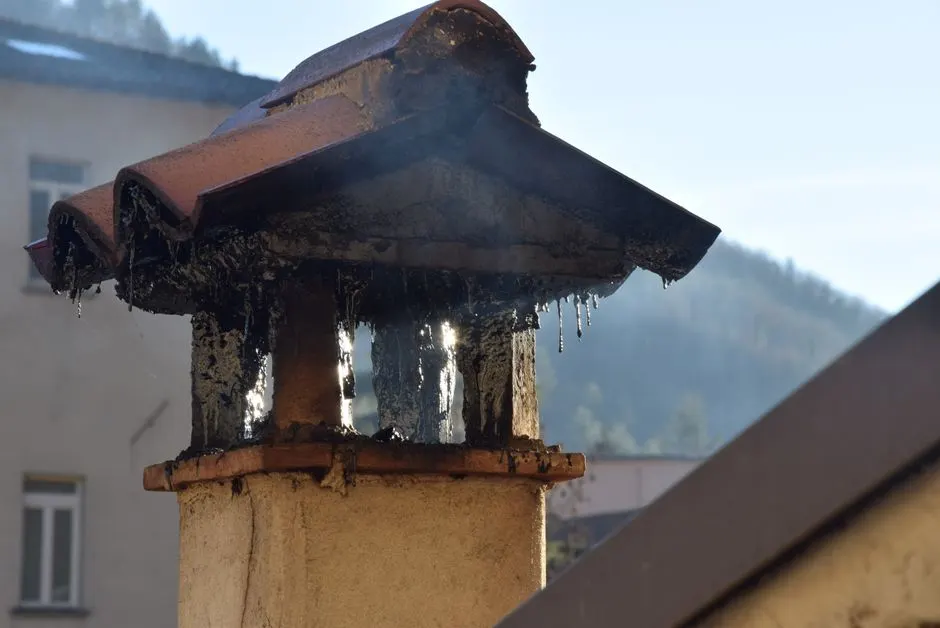 Soot RemovalDry soot comes off with HEPA vacuums and chemical sponges before any wet cleaning. Doing it in the right order protects paint and finishes that would otherwise be replaced.Explore →
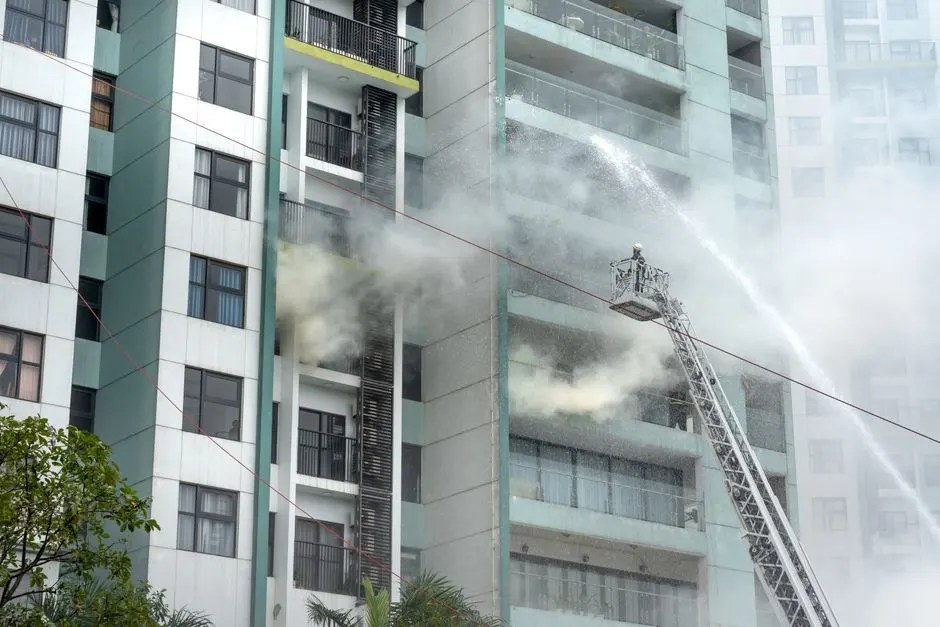 Smoke RemediationSmoke residue settles into insulation, lumber, and upholstery. Remediation uses air scrubbers and sealant to lock in what cannot be removed, especially in older Lake Worth Beach homes.Explore →
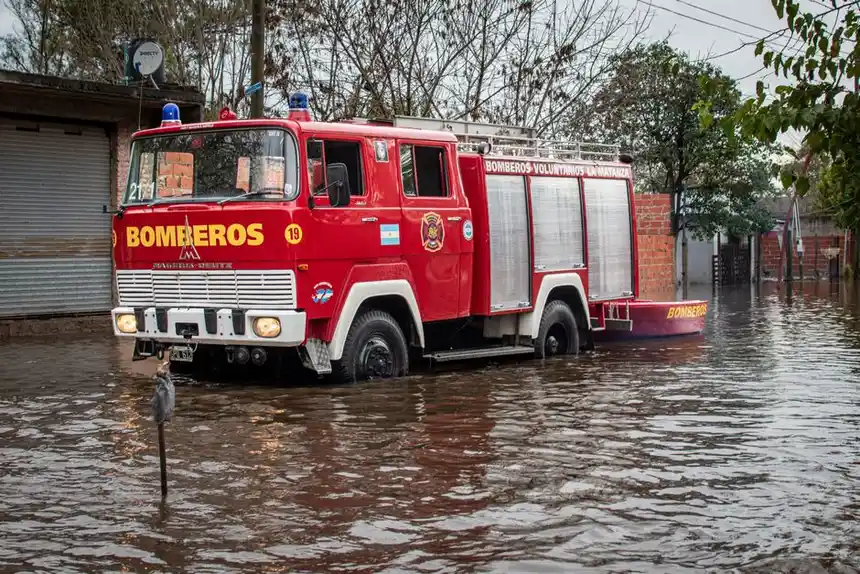 Fire and Flood RestorationFirefighting water is part of every fire job. We extract, dry with Dri-Eaz equipment, and verify with moisture meters before reconstruction begins.Explore →
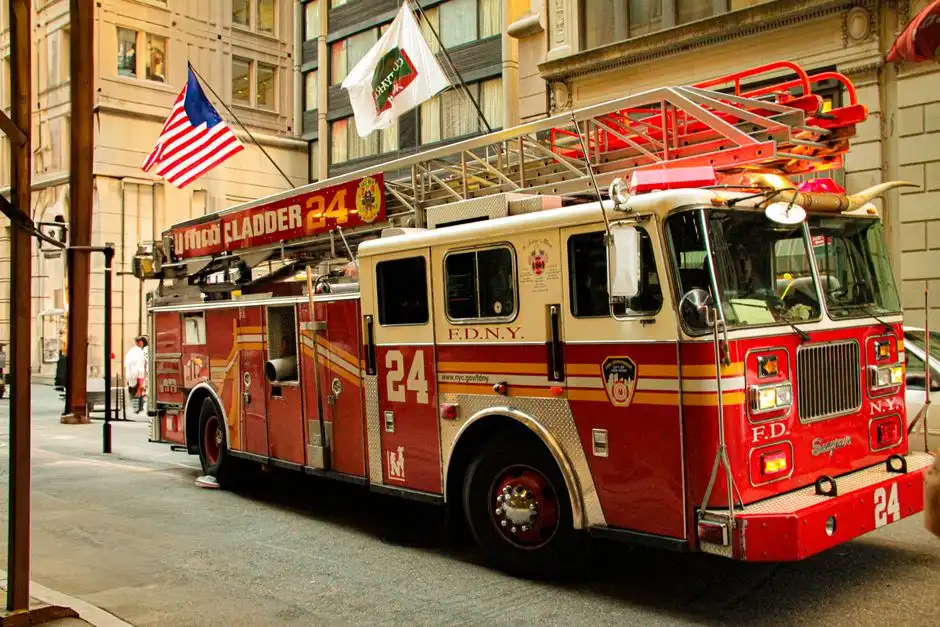 24 hour Fire RestorationFires do not keep business hours. Our line is answered around the clock, and crews roll with extraction units and air scrubbers already loaded.Explore →
Soot bonds to surfaces within 72 hours and firefighting water feeds mold in as little as 48. Call (833) 929-6186 and we will schedule a same-day assessment with a written scope before any work starts. Licensed, insured, and IICRC-certified.
Call Now (833) 929-6186 →Call (833) 929-6186 any hour of the day. A live dispatcher answers, takes your address, and gives you a real ETA before you hang up. For non-emergency questions or to send photos of the damage, email info@firedamagerestorationlakeworthbeach.com and we will respond the same business day.