Smoke odor lingering weeks after the fire
We find where the smoke traveled with thermal imaging, then treat those cavities with thermal fogging and hydroxyl generator cycles. We test before we sign off, and we come back if the odor returns.
Fire and Smoke Damage Restoration in LAKE WORTH BEACH, Florida means pulling soot out of drywall, killing the smoke smell at the source, and getting your home or business back to livable. We send a crew the same day you call, board up what needs boarding, and run the full fire and smoke damage repair LAKE WORTH BEACH job from cleanup through the final walkthrough. One call, one crew, one invoice.
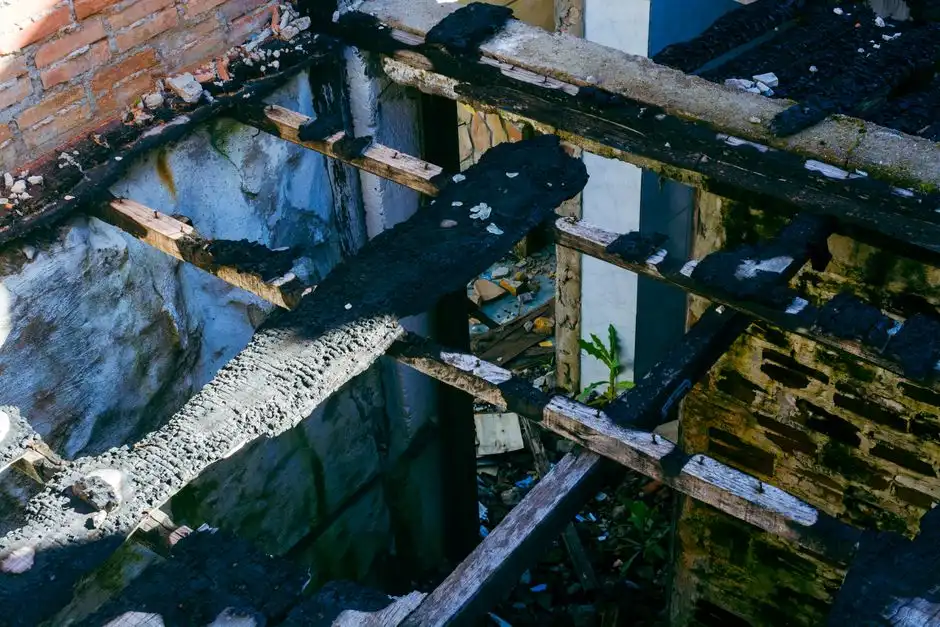
Fire and Smoke Damage Restoration in LAKE WORTH BEACH, Florida is the trade of removing soot, char, and smoke residue from a structure, then drying, deodorizing, and rebuilding it so the building is safe to occupy again. It is not the same as firefighting cleanup. We pull charred drywall and insulation, HEPA-vacuum every surface, run air scrubbers and hydroxyl generators, seal the framing, and replace what cannot be saved. Most jobs start within 24 hours of the fire being put out.
In this town, most of the calls we run are kitchen fires, electrical fires, and attic fires in older wood-frame homes near Downtown Lake Worth Beach and College Park. Salt air and summer humidity make it worse: smoke residue bonds to damp surfaces, and water from the fire hoses sits in the walls. That is why we treat every fire and smoke damage restoration services LAKE WORTH BEACH job as a water job and a smoke job at the same time. If you are searching for fire and smoke damage restoration near me LAKE WORTH BEACH Florida at 2 a.m., we answer.
Every job is scoped to the damage, but the core work is the same. Here is what is covered in a standard fire and smoke damage restoration job in LAKE WORTH BEACH, and what gets priced separately when the damage calls for it.
Windows, doors, and roof openings secured the same day, usually within 90 minutes of your call. Materials are on the truck, so we are not making a second trip while your house sits open.
Charred drywall, insulation, and lumber pulled with a drywall saw and pry bar. Every cavity HEPA-vacuumed, every surface chemically sponged. Air scrubbers run throughout to keep dust out of the clean rooms.
Thermal fogging solution into cavities and ductwork, then ozone or hydroxyl generator cycles of 8 to 24 hours. Charcoal odor absorbers left in closed spaces. We test before we sign off.
Firefighting water pulled out with extractors, then framing dried with Dri-Eaz and Phoenix air movers and dehumidifiers. We do not close a wall until the moisture meter reads dry.
New drywall, insulation, lumber, and plywood installed to Florida building code. Paint primer and sealant applied, texture matched, and the room finished to match the rest of the house as closely as the existing finish allows.
Photographs, moisture readings, char depth measurements, and a room-by-room scope written the way adjusters want it. We walk your adjuster through the damage on site when the carrier has questions.
You call, we roll. A crew is on site in LAKE WORTH BEACH within 60 to 90 minutes for emergencies. First job is safety: we shut off utilities if needed, board windows and doors, and tarp the roof if the fire opened it up. You get a written scope and a price range before demolition starts.
We walk the structure with a thermal imaging camera and moisture meter, room by room. Char depth gets measured, smoke travel gets mapped, and the HVAC system gets checked for soot. You get a room-by-room list of what comes out and what stays. This usually takes 2 to 4 hours on a typical house.
Crews in PPE suits and respirators pull charred drywall with a drywall saw and pry bar, HEPA-vacuum every stud cavity, and wipe ceilings and walls with chemical sponges. Air scrubbers with HEPA filters run the whole time to keep dust out of the rest of the house. This is the slowest part of the job and the one that decides whether the smell comes back.
Thermal fogging solution goes into wall cavities and ductwork. Ozone generators or hydroxyl generators run sealed-room cycles of 8 to 24 hours, depending on how far the smoke traveled. At the same time, air movers and dehumidifiers pull the firefighting water out of the framing. We do not close up a wall until the moisture meter reads dry.
New drywall, insulation, lumber, paint primer, and sealant go back in. We match texture and paint as close as the existing finish allows. Final step is a walkthrough with you: lights on, every room checked, smell test done, and a written list of anything left to finish. We do not hand back keys until you sign off.
Purpose-built equipment, used by trained technicians — so the job is done accurately the first time.
Finds smoke travel and hidden water inside walls without tearing them open. We use it on every assessment to map the damage before demolition starts.
Reads the water content in framing and drywall so we know when a wall is actually dry. No wall gets closed until the meter says so.
Traps soot particles down to 0.3 microns. Air scrubbers with HEPA filters run throughout the job to keep dust out of the clean rooms.
Neutralizes smoke odor at the molecular level. Ozone for sealed-room cycles, hydroxyl for occupied-adjacent spaces where people are still in the building.
Dries the firefighting water out of framing and subfloor. We run them alongside dehumidifiers until the moisture meter reads dry.
Creates a pressure differential so soot and dust pull out of the work zone instead of drifting into the rest of the house.
Soot and smoke residue are hazardous to breathe. Every crew member on a demo or cleaning phase wears a respirator and a full PPE suit.
A grease fire on the stove sent smoke through a 1,400-square-foot 1950s home. Soot coated the ceilings in four rooms, the range hood was caked, and the fire hoses left water standing in the subfloor.
Nine days later the kitchen was rebuilt, ceilings in all four rooms were cleaned and sealed, and the moisture meter read dry in the subfloor. The homeowner moved back in with the original cabinets, which we saved.
An electrical fire inside a bedroom wall burned out a section of wiring and insulation. The fire was out in minutes, but char and smoke residue sat inside the cavity for two days before the owner called.
We opened the wall, removed the burned wiring and insulation, treated the studs with encapsulant, and rebuilt the cavity to code. The neighboring unit was checked for smoke travel and cleaned. Total job: 11 days.
An attic fire opened part of the roof deck and burned through insulation and two rafters. A storm was forecast for the next afternoon, and the ceiling below was sagging from firefighting water.
We tarped the roof within two hours of the call, pulled the burned insulation and rafters, dried the ceiling below, and rebuilt the roof deck and attic. The ceiling was refinished to match. Job ran 16 days.
The fire is the loud part. The problems that cost you money show up in the days after: smoke odor that will not leave, soot stains that set into paint, and water sitting in the walls. Here is what we run into most in LAKE WORTH BEACH.
Ask a pro →We find where the smoke traveled with thermal imaging, then treat those cavities with thermal fogging and hydroxyl generator cycles. We test before we sign off, and we come back if the odor returns.
We HEPA-vacuum and chemically sponge every surface within the first day or two, then seal with a primer made for smoke residue. Most stained walls clean up instead of getting torn out.
We map wet zones with a moisture meter on day one and dry them with air movers and dehumidifiers before the rebuild starts. No wall gets closed until the reading is dry.
We check the HVAC on every job, clean or replace ductwork as needed, and run air scrubbers with HEPA filters during the work so the rest of the house stays clean.
Most single-room jobs run $3,000 to $12,000 in 2026 pricing, and whole-house jobs run $25,000 to $80,000 or more. The biggest cost drivers are square footage affected, how far smoke traveled into the HVAC system, and whether framing has to be replaced. We give you a written range before demolition starts so there are no surprises.
Regular cleanup removes visible debris. Fire and smoke damage restoration in LAKE WORTH BEACH also removes the residue you cannot see: soot inside wall cavities, smoke bonded to insulation, and odor trapped in ductwork. Restoration includes drying the firefighting water, sealing framing with an encapsulant, and rebuilding the structure. Cleanup stops at the surface. Restoration goes to the studs.
A single room typically takes 5 to 10 days. A whole house takes 3 to 6 weeks, and larger structural jobs can run 8 weeks or more. The timeline depends on how much demolition is needed, how long drying takes, and how fast your insurance claim moves. We give you a written schedule on day one and update it as the job progresses.
Yes, most homeowner policies cover fire and smoke damage repair in LAKE WORTH BEACH Florida, including smoke remediation and the rebuild. What varies is your deductible and whether your carrier disputes specific line items. We document the job the way adjusters want it, photograph every room, and walk your adjuster through the damage on site when needed.
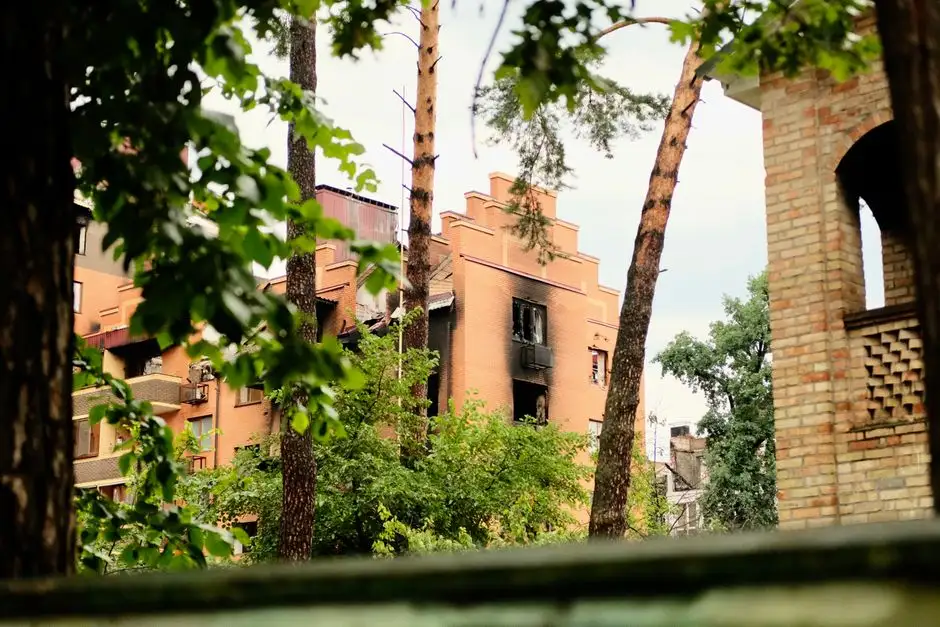 Smoke Damage RestorationSmoke travels farther than fire. We pull soot out of wall cavities, ductwork, and furniture in LAKE WORTH BEACH homes, then run hydroxyl and ozone cycles until the smell is gone at the source, not just covered up.Explore →
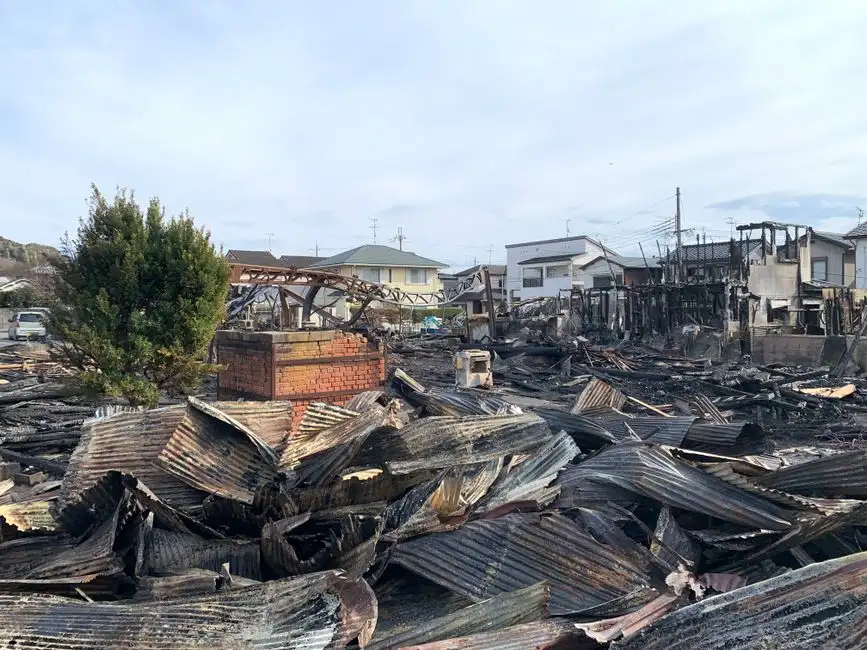 Fire Damage Clean UpChar removal, debris hauling, and surface cleaning after the fire is out. Crews in PPE pull burned drywall and insulation, HEPA-vacuum the framing, and get the structure ready for the rebuild phase.Explore →
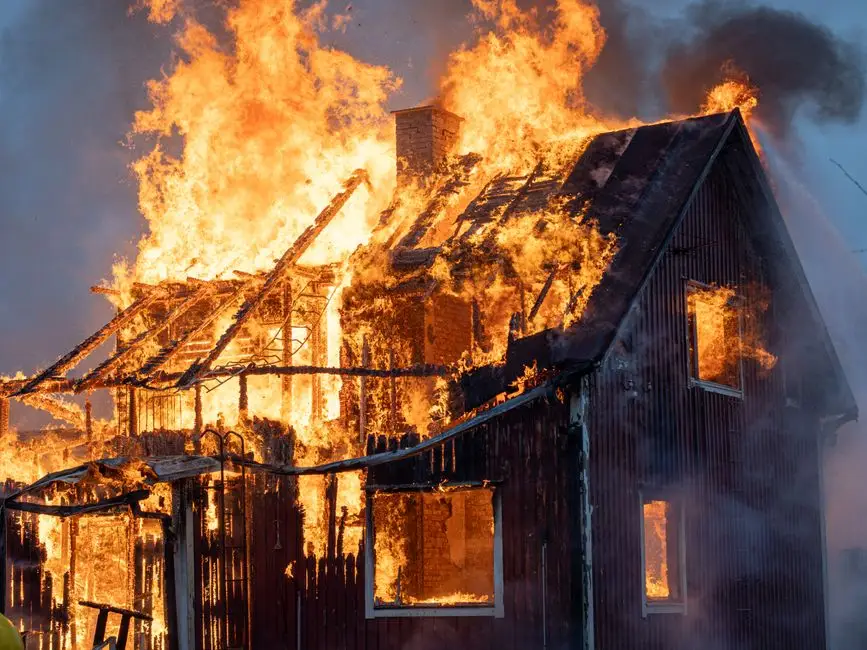 Emergency Fire Damage RestorationBoard-up, tarp-over, and water extraction the same day you call. We secure the structure within 90 minutes in most LAKE WORTH BEACH neighborhoods so weather and theft do not add to the loss.Explore →
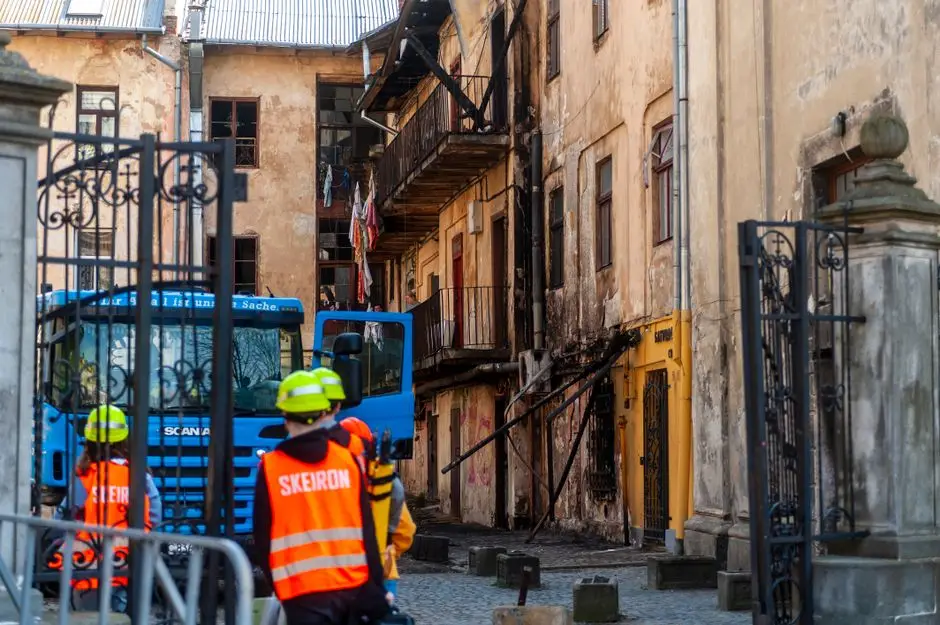 Structural Repair After FireFraming, drywall, insulation, and roofing shingles replaced to Florida building code. We match texture and paint as close as the existing finish allows and walk you through every repair before we close the wall.Explore →
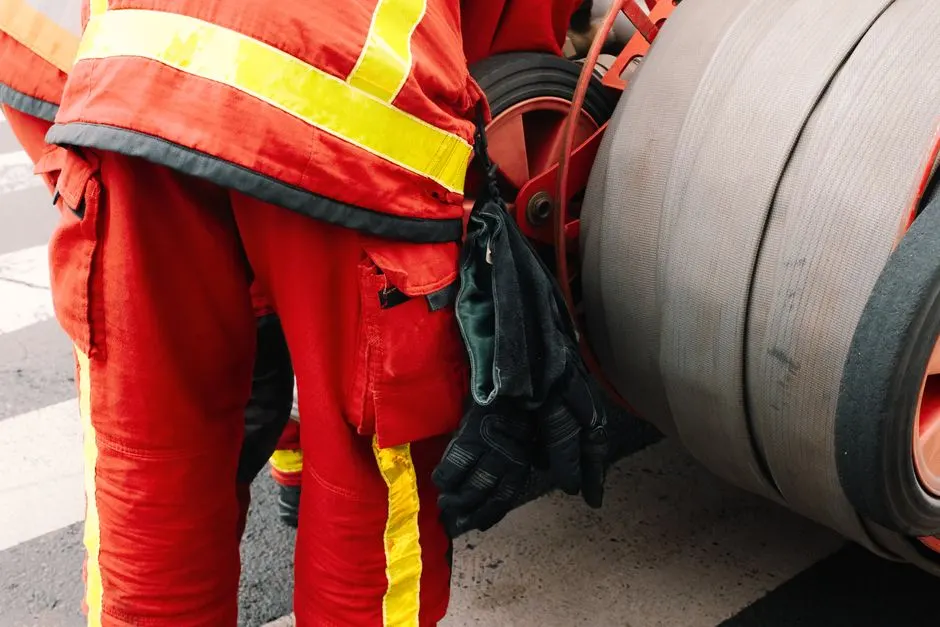 Odor Removal After FireThermal fogging, ozone treatment, and charcoal odor absorbers for the stubborn smoke smell that survives a surface cleaning. We test before we sign off, and we come back if the odor returns.Explore →
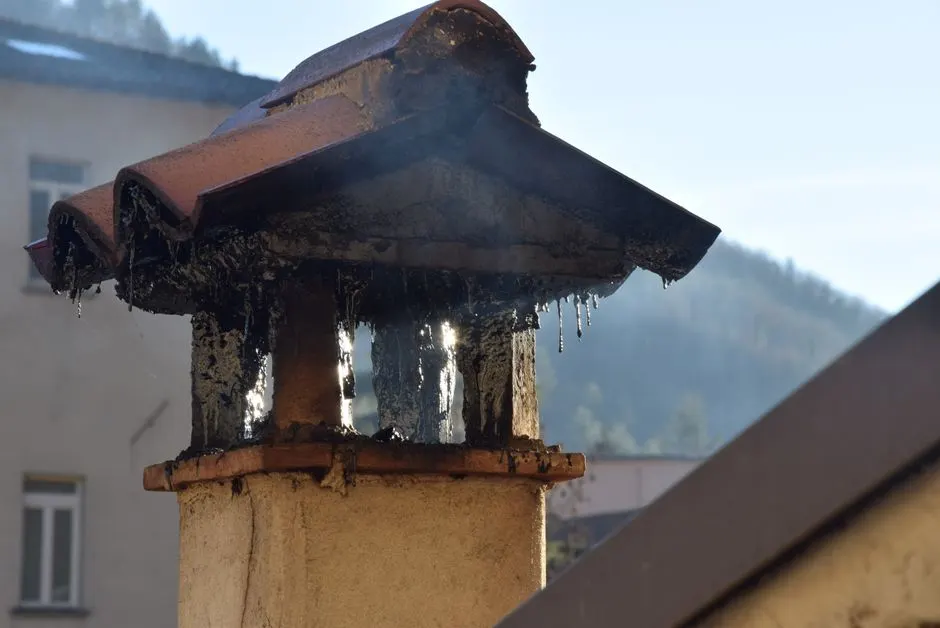 Soot RemovalSoot is acidic and etches paint within 72 hours. We HEPA-vacuum, chemically sponge, and seal walls and ceilings with a primer made for smoke residue, so stained surfaces clean up instead of getting torn out.Explore →
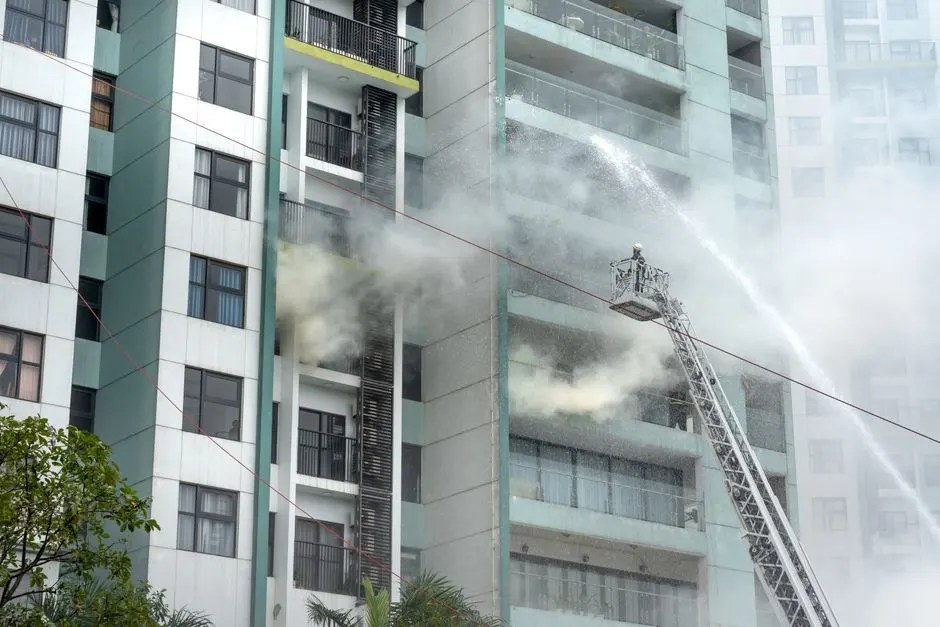 Smoke RemediationFull-system smoke remediation including HVAC ductwork, attic cavities, and closed rooms the fire never reached. Air scrubbers with HEPA filters run the whole time to keep soot out of the clean parts of the house.Explore →
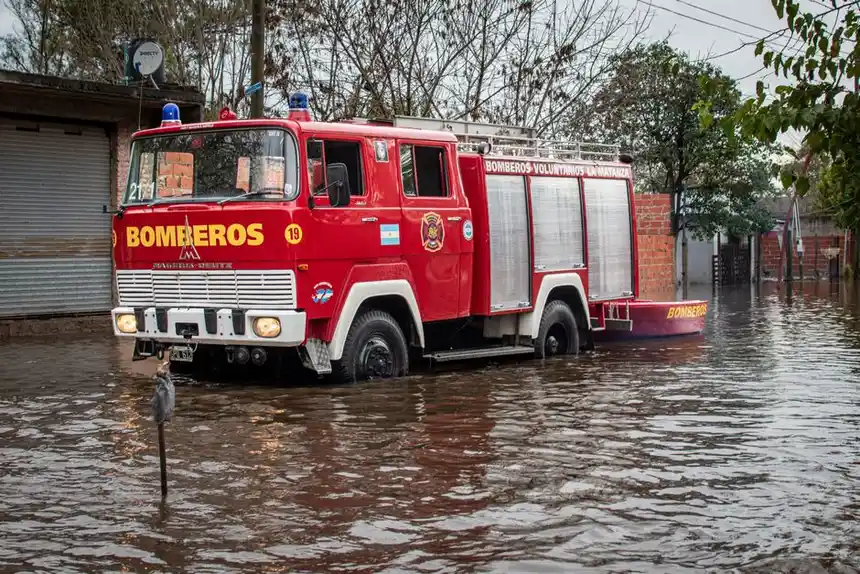 Fire and Flood RestorationMost fires leave water behind. We dry the firefighting water with Dri-Eaz and Phoenix air movers before the rebuild starts, which stops mold growth in the 48-to-72-hour window when it takes hold.Explore →
A fire leaves you 24 hours before the smoke damage gets permanent. We answer the phone around the clock, board up the same day, and give you a written scope before demolition starts. One call gets a crew rolling.
Call Now (833) 929-6186 →Call (833) 929-6186 any hour of the day. A live dispatcher answers, takes your address, and gives you a real ETA before you hang up. For non-emergency questions or to send photos of the damage, email info@firedamagerestorationlakeworthbeach.com and we will respond the same business day.