01
Emergency Assessment
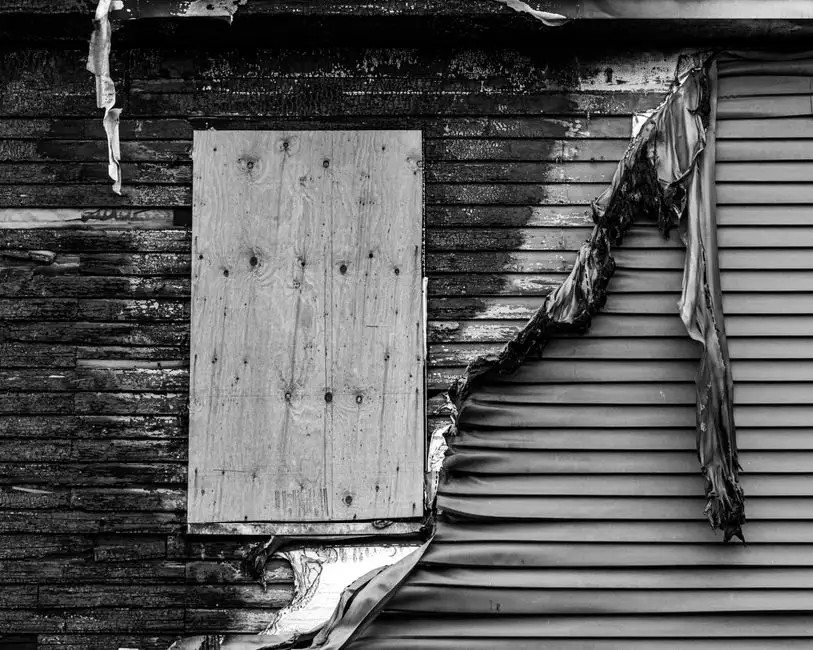
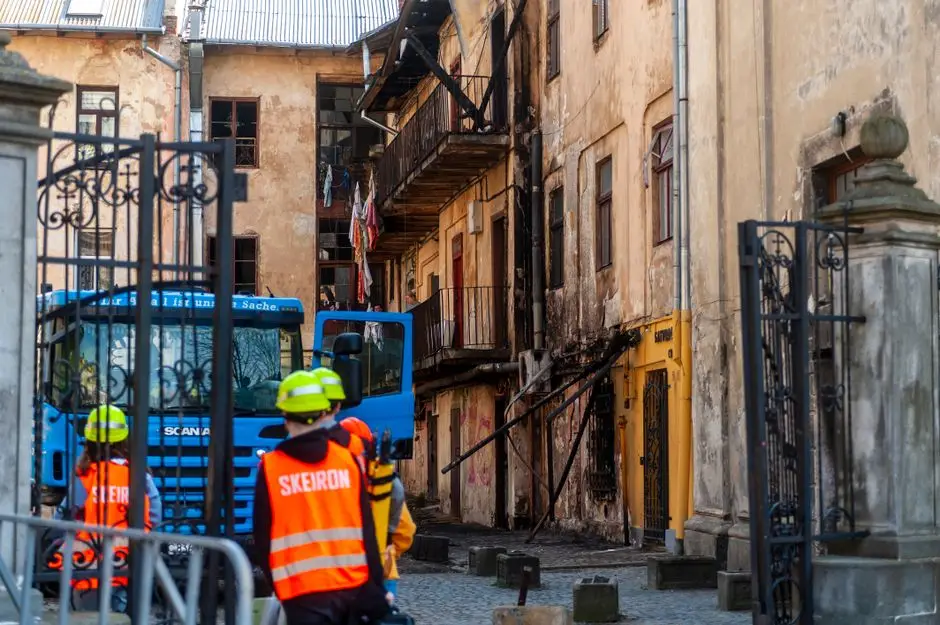
We arrive, walk the property with you or the property contact, and check structural fire damage to framing, roofline, and load-bearing walls before anyone enters. A thermal imaging camera finds hot spots and hidden moisture. We give you a written scope and a start time, usually within 2 hours of the call.
02
Contents Sorting
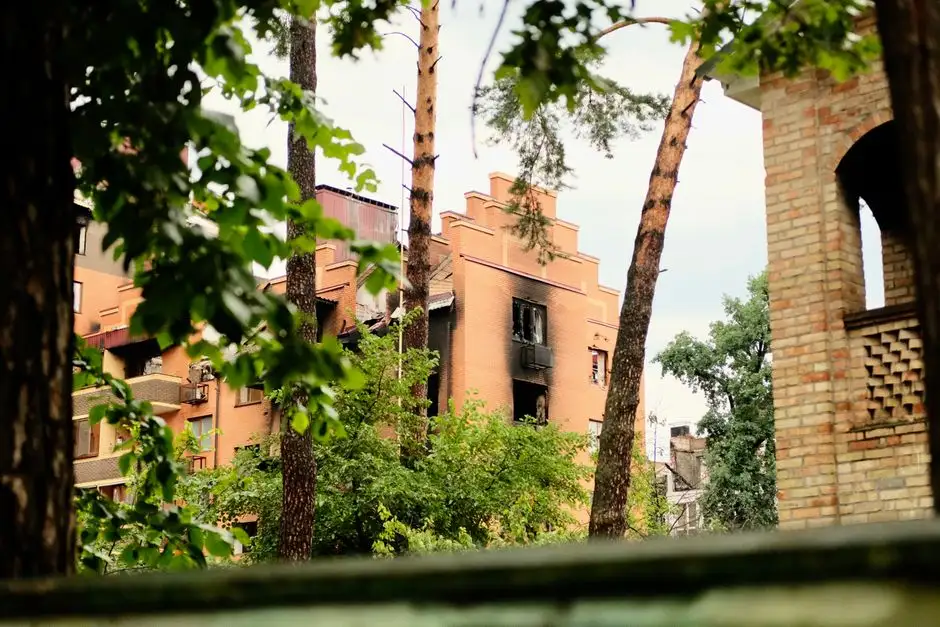
We sort into three piles: salvageable, documented for insurance, and disposal. Nothing is thrown out before it is photographed and logged. On a typical packed three-bedroom, this stage takes 1 to 2 days with a four-person crew. You or your representative can be present the whole time.
03
Debris Hauling
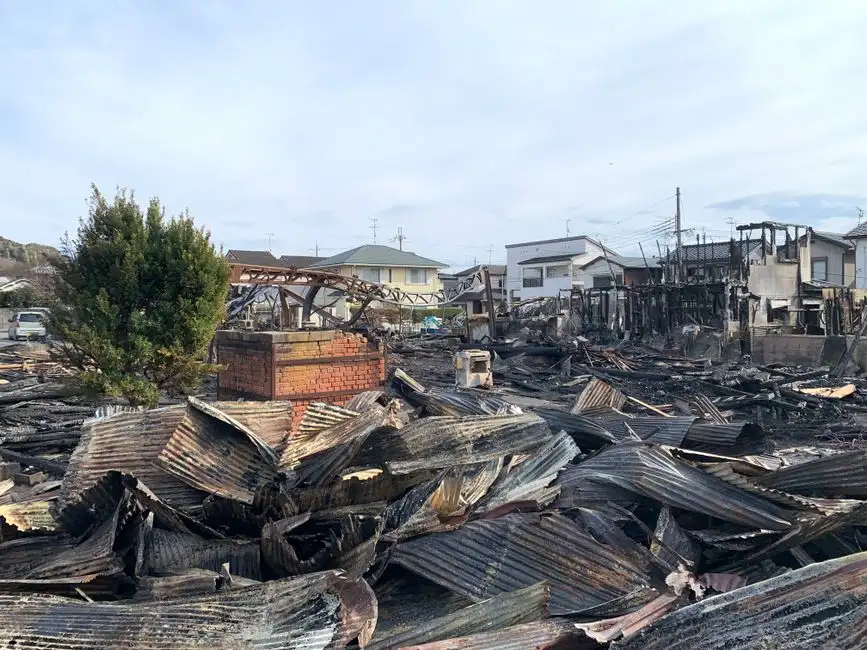
Bagged debris goes out in staged loads, heaviest first. We use pry bars and sledgehammers on built-in shelving and stacked storage, and a drywall saw on any wall that has to open for inspection. Dumpsters are placed so the driveway stays usable and the neighbors are not blocked.
04
Soot and Smoke Cleaning
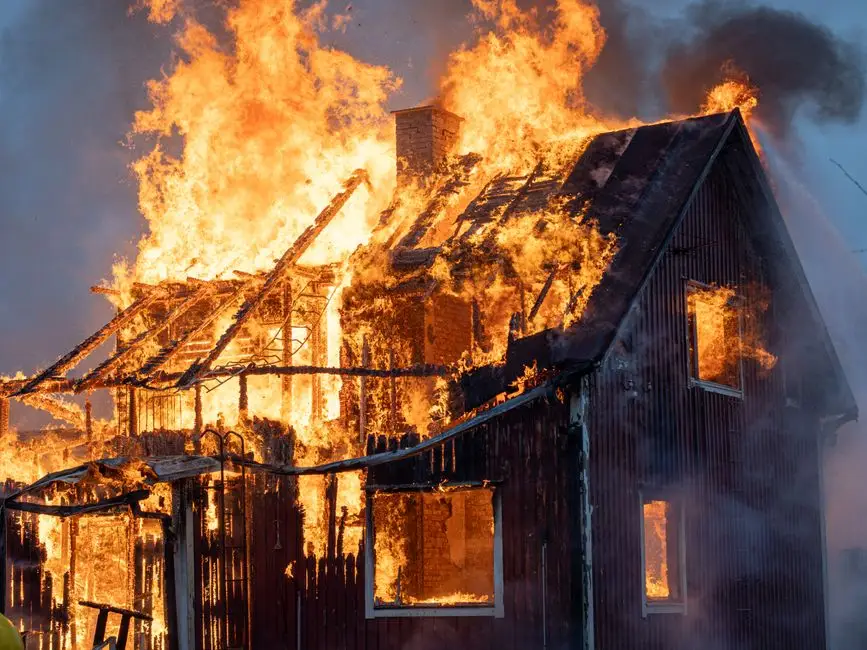
Walls, ceilings, and framing get HEPA vacuuming first, then chemical sponge treatment on soot staining. Air scrubbers and negative air machines run continuously to keep particles out of the rest of the house. HVAC registers and ductwork get checked for hidden smoke damage in HVAC systems before the system runs again.
05
Deodorize and Handoff
We finish with thermal fogging solution or hydroxyl generation, depending on what the surfaces can take, then charcoal odor absorbers in closed rooms. You get before-and-after photos, moisture readings, and a written clearance so your contractor or adjuster can move to the next phase.