How to prepare your Lake Worth Beach home for hurricane season fire risks
Hurricane season fire risks in Lake Worth Beach are real: generators, storm-surge electrical damage, and battery failures. Here is how to prepare your home before the next storm.
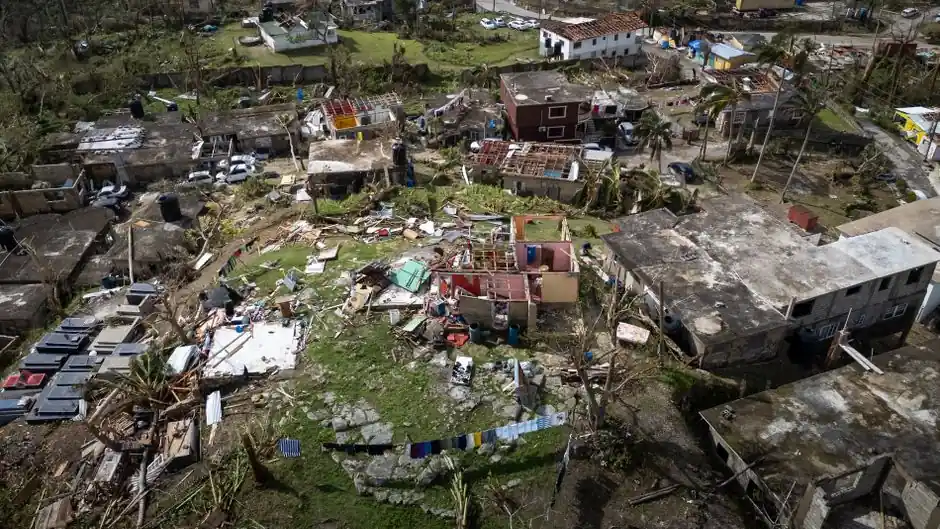
Preparing your Lake Worth Beach home for hurricane season fire risks comes down to three things: keeping water away from energized electrical equipment, running generators outside and away from openings, and inspecting your wiring and appliances before and after every storm. Most hurricane-season fires we see in this city are not caused by the storm itself - they are caused by what people plug in, refuel, or switch on in the days after landfall.
This guide walks through the specific risks in Lake Worth Beach, what to do before a storm arrives, how to run a generator without burning your house down, and when to call us for Fire Damage Restoration.
What are the real hurricane season fire risks in Lake Worth Beach?
Hurricane season fire risks in Lake Worth Beach are the fire hazards created or worsened by storm preparation, power loss, flooding, and post-storm cleanup. They are not the same as ordinary house fire risks because they cluster around a short window - usually 48 hours before landfall through two weeks after.
The four we see most often:
- Generator fires. Refueling a hot generator, running one in a garage, or backfeeding a panel without a transfer switch.
- Electrical fires from water intrusion. Storm surge and wind-driven rain get into outlets, panels, and appliances, and the first time power comes back on, something arcs.
- Battery and charging fires. Lithium-ion power banks, cordless tool batteries, and phone chargers running off generators for days.
- Cooking and candle fires. No power means propane camp stoves on kitchen counters and candles left burning overnight.
Older homes in College Park Fire Damage Restoration and the historic blocks near downtown tend to have the highest exposure because their wiring was never designed for the load a modern household puts on it during an outage. If your home was built before 1980 and still has its original panel, that is the first thing to have looked at.
How do I prepare my Lake Worth Beach home for hurricane season fire risks before the storm?
To prepare your Lake Worth Beach home for hurricane season fire risks before the storm, do a walkthrough of every electrical and fuel source in the house at least 72 hours before landfall and fix what you find. The work takes a weekend and costs far less than a rebuild.
Test every GFCI and AFCI outlet
Press the test button on each GFCI outlet in kitchens, bathrooms, the garage, and any outdoor location. If it does not click off and reset, replace it. Arc-fault breakers in the panel should also be tested - these are the devices designed to catch the exact kind of damaged wiring that causes post-storm fires.
Inspect the panel and the service drop
Look for scorch marks, a burning smell, or breakers that trip repeatedly. Any of those means stop and call a licensed electrician. Also look at where the service line meets the house - if the mast or weatherhead is loose, wind-driven rain can track water straight into the panel.
Move fuel and flammables out of the flood zone
Gas cans, propane cylinders, paint thinner, and lawn equipment should be stored above the expected surge line or moved to a shed on higher ground. In Lake Worth Beach, even a modest surge can put a garage under a foot of water, and a floating gas can inside a closed garage is a genuine fire risk.
Service the generator before you need it
Change the oil, check the fuel lines, and run it under load for 20 minutes. A generator that has sat for two years is the one that fails on day three of an outage - or the one that overheats and ignites.
Document the house
Walk room to room with your phone and record a video of every room, the panel, and the appliance serial numbers. If a fire does happen, that video is the difference between a smooth insurance claim and a fight.
If you want a professional set of eyes on the whole property, our team handles fire and smoke damage restoration services across the city and can walk the house with you before the season starts.
Generator fire safety during hurricane season in Lake Worth Beach
Generator fire safety during hurricane season in Lake Worth Beach starts with one rule: the generator runs outside, at least 20 feet from every door, window, and vent, and never in a garage or carport. Carbon monoxide kills quietly, and the heat and fuel handling around a running generator cause fires.
The fire-specific rules we want every homeowner to follow:
- Let it cool before refueling. A hot muffler will ignite spilled gasoline. Shut it down, wait 15 minutes, then fill.
- Use a transfer switch. Backfeeding a panel with a suicide cord is the single most common cause of generator-related house fires we see after storms. A proper transfer switch costs $400-$900 installed in 2026 and eliminates the backfeed risk entirely.
- Keep the cord run short and heavy-gauge. 12-gauge cords for 20 amps, 10-gauge for 30. Daisy-chaining extension cords is how you melt a connection point.
- Never run a generator on a wooden deck or under an awning. The unit needs airflow and a non-combustible surface.
- Store fuel in approved cans, capped, away from the generator. No fuel inside the house, ever.
If a generator fire does happen, the damage is usually concentrated in the garage or the side yard, but smoke travels through the whole house. That is a smoke damage cleanup LAKE WORTH BEACH job, not a shop-vac job - the residue is acidic and etches metal and electronics within days.
Electrical fire risks after the storm in Lake Worth Beach
Electrical fire risks after the storm in Lake Worth Beach peak in the first 72 hours after power is restored, because that is when water-damaged wiring and appliances get energized for the first time. The fire does not start during the storm - it starts when the breaker goes back on.
Before you flip the main breaker after an outage:
- Turn off every breaker in the panel, especially the ones feeding the kitchen, laundry, garage, and any outdoor circuits.
- Unplug appliances that sit low - refrigerators, washers, dryers, water heaters, and anything in the garage.
- Look for water lines inside the panel, rust on the breakers, or a damp smell. If you see any of that, do not energize the panel. Call an electrician.
- Bring circuits back one at a time, starting with lighting, and listen for popping or buzzing. Any noise means shut it off.
Appliances that took on water - even an inch - should be replaced, not dried out. The insulation inside a water heater or a dryer is a sponge, and it will short months later. We respond to electrical fire cleanup services calls every season that trace back to an appliance someone decided to dry out and keep.
Storm surge and fire risk in Lake Worth Beach
Storm surge and fire risk in Lake Worth Beach are linked because saltwater is conductive and corrosive, and it gets into places fresh water does not. The neighborhoods closest to the Intracoastal and the beach - the Lake Worth Beach Casino Fire Damage Restoration area, Bryant Park, and the low blocks along the lagoon - see the most surge exposure.
After a surge event, assume every outlet, switch, and appliance below the water line is compromised. Salt residue continues to corrode contacts for weeks, so a circuit that works fine on day one can arc on day thirty. Have an electrician megger-test the affected circuits before you trust them.
Surge also floats things. Propane tanks, gas cans, and lawn equipment that were stored in the garage end up against the water heater or the panel. Clear them out before you restore power.
Common mistakes to avoid
The mistakes that turn a manageable storm into a fire loss are almost always the same ones, repeated every season.
- Running the generator in the garage "just for a minute." It is never a minute, and the CO and heat build fast.
- Refueling while it is running. Spilled gas on a hot muffler ignites instantly.
- Backfeeding the panel with a double-male cord. This energizes lines the utility thinks are dead and starts fires inside the wall.
- Turning the main breaker on before checking for water in the panel. This is the number one cause of post-storm electrical fires.
- Drying out and keeping water-damaged appliances. They short later, often when no one is home.
- Leaving candles unattended during an outage. Battery lanterns cost $20 and do not tip over.
- Storing gas cans in the garage below the surge line. They float, they leak, and they find an ignition source.
If you have already had a small fire - even a contained one - do not assume the damage is limited to what you can see. Soot and smoke residue spread through the HVAC system and settle in every room. Our soot cleanup LAKE WORTH BEACH team handles the hidden residue before it etches surfaces and turns a small claim into a large one.
When to call a professional
Call a professional when the fire is out but the damage is not - meaning there is smoke odor in rooms that never burned, soot on walls or ceilings, water in the panel, or any question about whether the wiring is safe to re-energize.
We handle the full sequence: board-up, water extraction, soot and smoke removal, structural drying, and rebuild. If your home took both fire and flood damage from the same storm, that is a fire and water damage restoration LAKE WORTH BEACH scope, and it needs to be sequenced correctly - drying before rebuild, odor treatment before paint.
Fire Damage Restoration Lake Worth Beach works the whole city, from the historic blocks downtown to the neighborhoods out by the lake. We will tell you what we see, what it will cost, and what your insurance will likely cover before we start.
Frequently Asked Questions
How do I prepare my Lake Worth Beach home for hurricane season fire risks?
Test every GFCI and AFCI, inspect the panel for scorch marks or moisture, move fuel and propane above the surge line, service the generator under load, and install a transfer switch if you plan to run one. Do this 72 hours before landfall, not the morning of.
What are hurricane season fire risks in Lake Worth Beach Florida?
The main ones are generator fires from refueling or indoor use, electrical fires when water-damaged wiring is re-energized, battery charging fires during long outages, and candle or camp-stove fires. Surge-driven saltwater corrosion adds a delayed electrical risk for weeks after the storm.
Can generators cause fires during hurricanes in Lake Worth Beach?
Yes. The two common causes are refueling a hot generator and backfeeding a panel without a transfer switch. A proper transfer switch runs $400-$900 installed in 2026 and removes the backfeed risk. Always run the unit outside, 20 feet from openings, on a non-combustible surface.
How do I prevent electrical fires after a storm in Lake Worth Beach Florida?
Turn off all breakers before power returns, unplug low-lying appliances, check the panel for water or rust, and bring circuits back one at a time. Replace - do not dry out - any appliance that took on water. Have an electrician test circuits that saw saltwater.
Who does emergency fire restoration after hurricane in Lake Worth Beach?
Fire Damage Restoration Lake Worth Beach handles emergency fire restoration after hurricanes, including board-up, water extraction, soot and smoke removal, odor treatment, and structural repair. Call (833) 929-6186 and we will assess the damage the same day.
Get help with Fire Damage Restoration in LAKE WORTH BEACH
If a storm-related fire has already happened, the first 48 hours decide how much of the house you keep. Call Fire Damage Restoration Lake Worth Beach at (833) 929-6186 and we will be on-site to stop the damage from spreading.